The failure mode of home gym equipment is not that it breaks. It is that it becomes a clothes rack. Every unused treadmill was bought by someone genuinely motivated, and what defeated them was friction: setup time, space, noise, or a piece of kit that only does one thing.
So the ordering here is by likelihood of continued use, not by capability. The cheap, always-visible, thirty-second-setup items are at the top on purpose, because equipment you can start using in half a minute is equipment you will still be using in a year.
One honest note before the list. None of this is medical advice, and if you have an injury, a heart condition or are returning to exercise after a long break, a professional who can see you is worth more than anything on this page.
Prices are approximate at the time of writing.
The short version
A set of resistance bands with handles
Highest chance you keep using it
Disclosure. The links on this page are affiliate links. If you buy through one we may earn a commission at no extra cost to you. It does not affect what makes this list or the order it is in.
How we picked
We favour equipment that is versatile, quiet enough for a flat, quick to set up and hard to break. We draw on published equipment testing, coaching practice and long-run owner reports, and we have not personally trained with every item here. Where the honest answer is that you do not need to buy anything, we say so — several of the most effective things you can do at home cost nothing at all.
At a glance
Prices are approximate at the time of writing and change often.
The picks
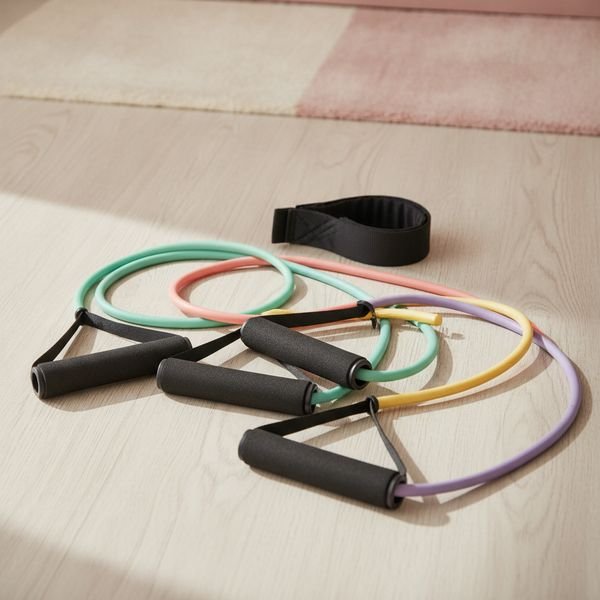
01 · Highest chance you keep using itA set of resistance bands with handles
Bands are top of this list for one reason: they remove every excuse. They cost less than a month of gym membership, live in a drawer, weigh nothing in a suitcase, and set up in about ten seconds. With a door anchor you can pull, press and row through most of the movement patterns a cable machine offers. The resistance curve is different from free weights — hardest at full stretch rather than constant — which suits some exercises and suits others less well. They also perish eventually, so check for nicks near the handles and replace them before one snaps back at you.
$25–50Trade-off: Resistance curve differs from free weights
Why it is here
- Cheapest way to train the whole body
- Packs into a drawer or a suitcase
- Ten-second setup removes the main excuse
Worth knowing
- Resistance curve differs from free weights
- Rubber perishes — inspect regularly and replace
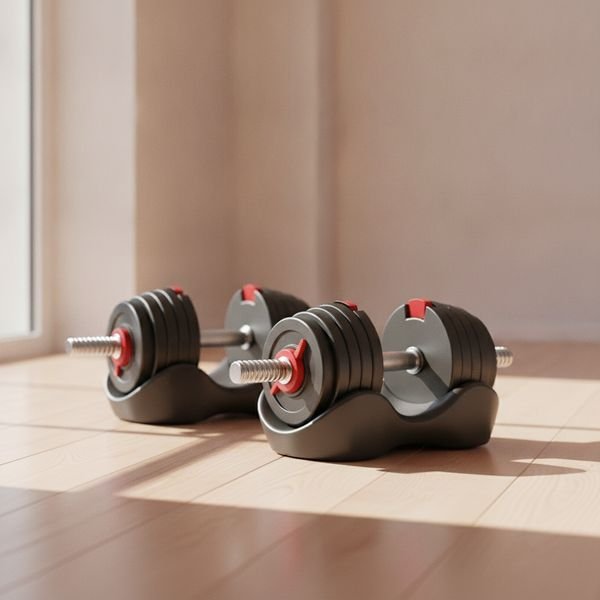
02 · Best single purchaseAdjustable dumbbells (Bowflex, NÜOBELL or similar)
One pair of adjustable dumbbells replaces about fifteen pairs of fixed ones and the rack to hold them, which is the difference between a home gym that fits in a corner and one that needs a room. That space saving is the whole argument, and it is a strong one. Two practical warnings. First, they do not like being dropped — the adjustment mechanism is the fragile part, so these suit controlled training rather than heavy sets taken to failure. Second, check the dial speed: the ones that change weight in a second get used for drop sets, the ones that take fifteen seconds quietly do not.
$300–550Trade-off: Mechanism is damaged by dropping
Why it is here
- Replaces a whole rack in one footprint
- Covers most strength work at home
- Holds resale value well
Worth knowing
- Mechanism is damaged by dropping
- Slow-adjusting models discourage certain training styles
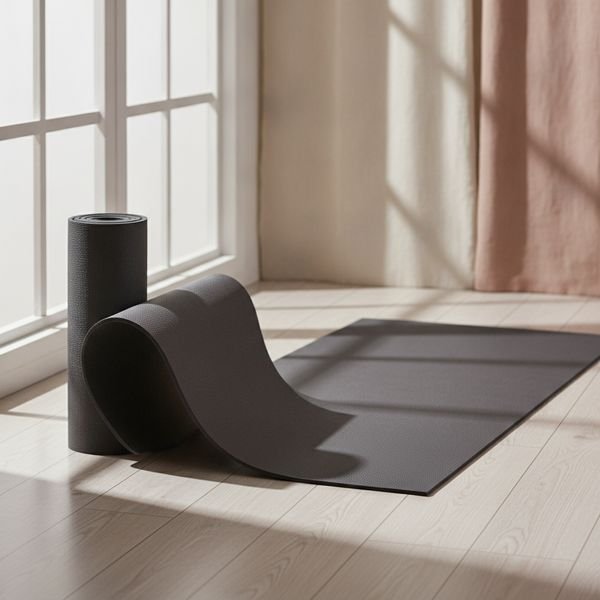
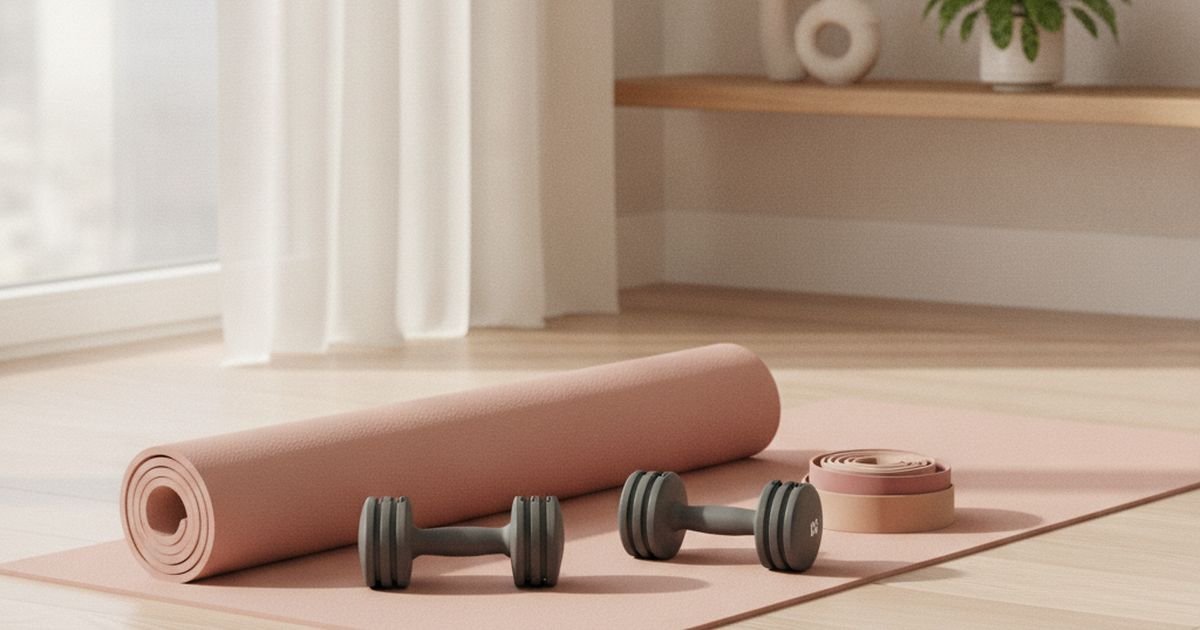
03 · Cheap and used constantlyA proper thick exercise mat
A mat is what turns any floor into a place you are willing to lie down on, and that is most of the battle for stretching, core work and rehab exercises. Thickness is the spec that matters — the thin yoga mats sold everywhere are miserable for anything involving your spine or knees pressing into the floor. Around 10mm is the sweet spot for general training. It also does real work absorbing noise, which matters more than people expect if you have neighbours below and train early in the morning.
$30–70Trade-off: Thin yoga mats are a false economy here
Why it is here
- Makes floor work genuinely comfortable
- Absorbs noise for downstairs neighbours
- Rolls away in seconds
Worth knowing
- Thin yoga mats are a false economy here
- Cheap foam compresses and smells at first
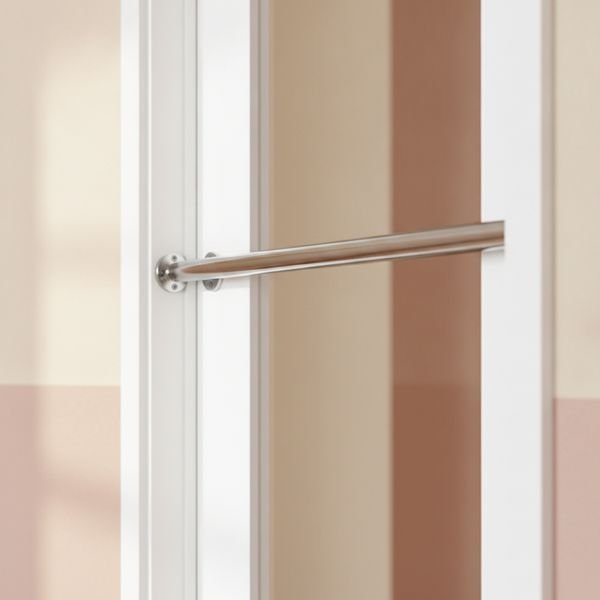
04 · Most strength per shekelA doorway pull-up bar
There is no cheaper way to build upper body pulling strength, and pulling is the half of training that home setups usually neglect entirely. A bar in a doorway you walk through several times a day also creates the best habit mechanism there is — a few reps every time you pass. Fit is the thing to get right: measure your door frame width and depth, and check the frame is solid rather than hollow plasterboard. Leverage-mounted bars press hard against the frame above, so inspect the trim occasionally for marks, and never mount one over a staircase.
$30–60Trade-off: Needs a solid, correctly sized door frame
Why it is here
- Unmatched value for upper body strength
- Encourages frequent small sets through the day
- Stores flat or stays mounted
Worth knowing
- Needs a solid, correctly sized door frame
- Can mark or dent the frame over time
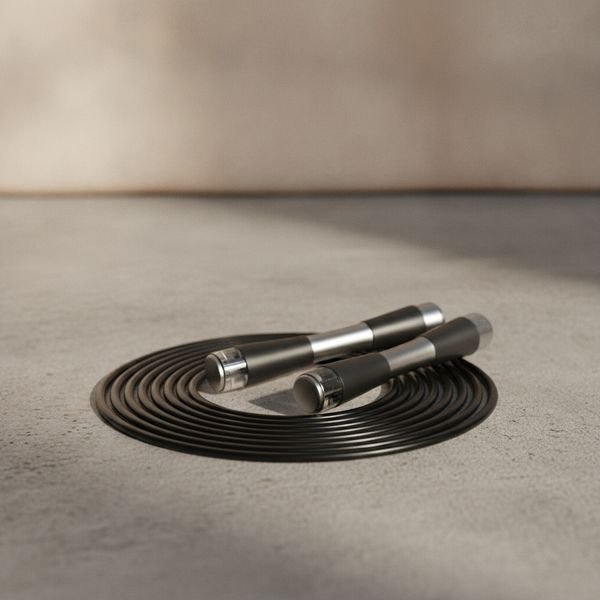
05 · Best cardio in the smallest spaceA jump rope
Ten minutes of skipping is a serious cardiovascular session, and the equipment costs less than a single spin class and fits in a pocket. It also builds calf resilience and coordination in a way running on a treadmill does not. The honest constraints: you need about two and a half metres of ceiling height, a forgiving surface, and downstairs neighbours who are either out or tolerant. It is also genuinely hard at first — expect to whip your shins for the first week, and adjust the rope so the handles reach your armpits when you stand on the middle.
$15–35Trade-off: Needs ceiling height and tolerant neighbours
Why it is here
- Serious cardio in ten minutes
- Fits in a pocket, costs almost nothing
- Builds coordination and lower-leg resilience
Worth knowing
- Needs ceiling height and tolerant neighbours
- Real learning curve in the first week
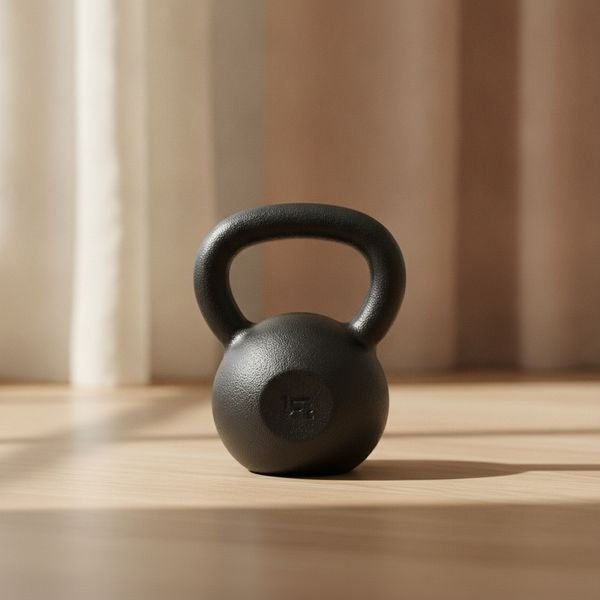
06 · One object, whole-body workA kettlebell (16kg or 12kg to start)
A kettlebell is unusually good value because the offset handle makes swings, cleans and get-ups possible — movements that train the whole posterior chain and your conditioning at the same time. One bell is a complete programme for a beginner. It is also indestructible, silent, takes up the space of a shoebox, and will be worth roughly what you paid if you sell it in five years. The important caveat is technique: the swing is a hip hinge, not a squat or a lift with the arms, and doing it wrong is a well-known way to hurt your lower back. Learn the hinge before you add speed.
$50–110Trade-off: Swing technique genuinely matters for your back
Why it is here
- One object covers strength and conditioning
- Effectively indestructible and silent
- Holds its resale value
Worth knowing
- Swing technique genuinely matters for your back
- One fixed weight limits progression
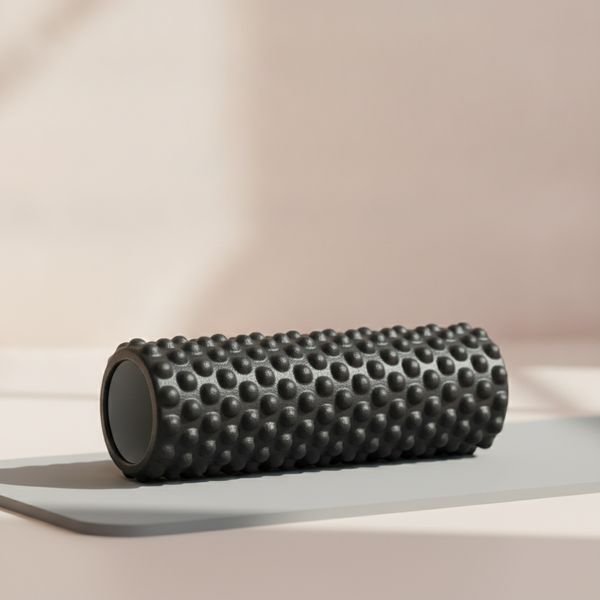
07 · Good, with modest expectationsA foam roller
Rolling out tight muscles reliably makes people feel better and move more freely in the short term, and it costs very little. What it does not do is any of the deeper things it is often marketed for — it does not break down scar tissue or lengthen muscle permanently, and the evidence on it preventing injury is thin. Judge it as a pleasant, cheap way to loosen up before training and feel less stiff afterwards, and it is genuinely worth owning. Judge it as therapy and you will be disappointed. Get a long one, since a 90cm roller lets you lie along your spine as well as roll your legs.
$25–50Trade-off: Marketing claims outrun the evidence
Why it is here
- Cheap, and genuinely feels good
- Useful warm-up and cool-down tool
- Nothing to break or maintain
Worth knowing
- Marketing claims outrun the evidence
- Uncomfortable on very tight muscles at first
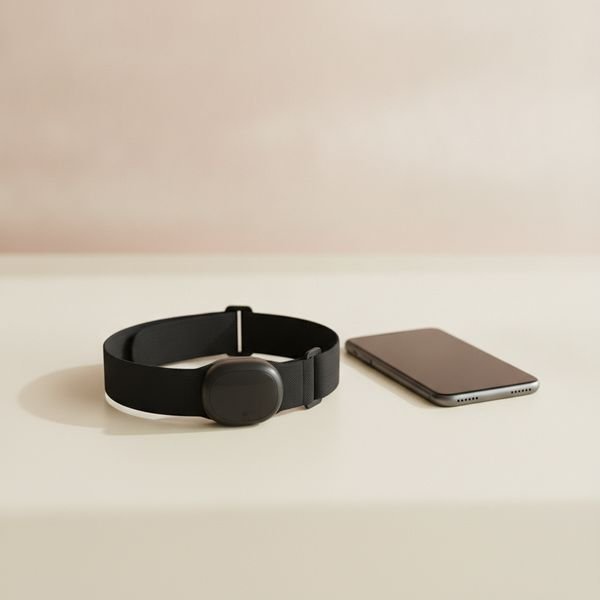
08 · Best data for the moneyA chest-strap heart rate monitor
Wrist-based heart rate is convincing at rest and unreliable during intervals, which is exactly when the number matters. A chest strap reads the electrical signal directly and is close to lab-accurate, and it pairs with essentially any app or machine over Bluetooth. The value is not the number itself but what it stops you doing: most people train their easy sessions too hard and their hard sessions too easy, and seeing the number in real time is the simplest fix for that. It is less comfortable than a watch, and the strap needs rinsing or it starts to smell.
$50–95Trade-off: Less comfortable than a watch
Why it is here
- Far more accurate than wrist sensors under load
- Works with almost any app or machine
- Stops you training every session at the same intensity
Worth knowing
- Less comfortable than a watch
- Strap needs rinsing after every use
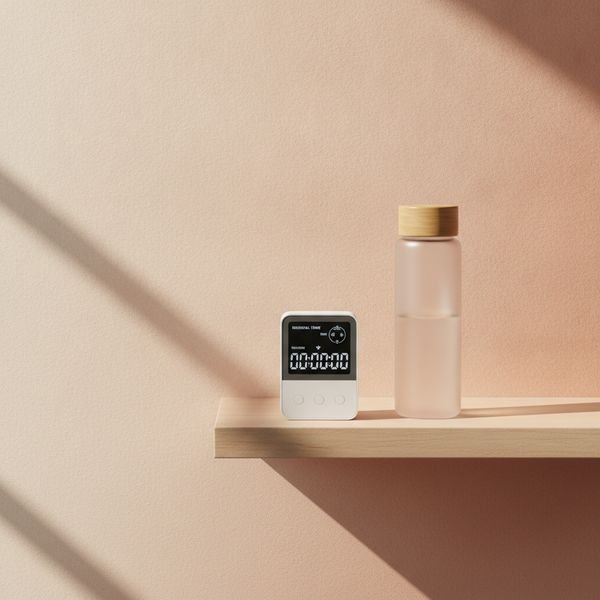
09 · Costs nothing, changes everythingA cheap timer or interval app
The difference between wandering around your flat between sets and finishing a session in thirty focused minutes is almost entirely a timer. Fixed rest intervals keep intensity honest, stop you scrolling your phone between sets, and turn a vague intention into a session with an end. A free phone app does this perfectly well, so treat the money as optional — a dedicated timer is worth it only because it keeps the phone out of your hand, which for many people is the actual benefit being purchased here.
$0–25Trade-off: Nothing to buy, really
Why it is here
- Free version works perfectly
- Keeps sessions short and honest
- Removes the phone from your hand
Worth knowing
- Nothing to buy, really
- Dedicated units are a want, not a need
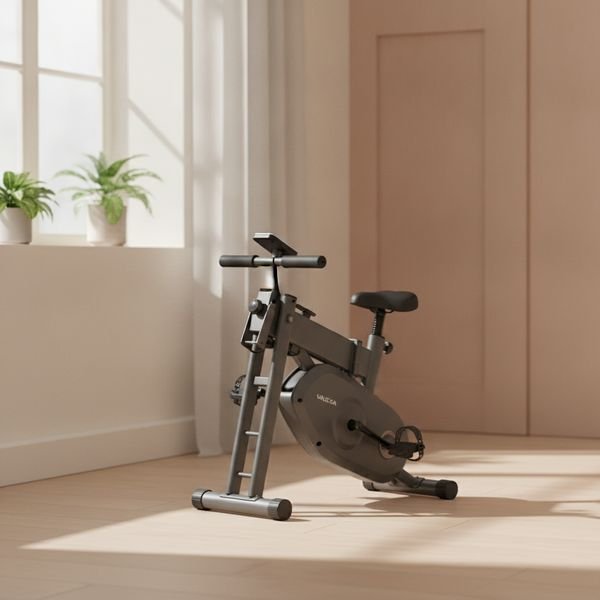
10 · Buy last, and buy usedA folding exercise bike or rowing machine
Big cardio machines are last on this list because they are the most commonly abandoned. They are expensive, they dominate a room, and they do one thing. That said, if bad weather or small children genuinely stop you leaving the house, a machine at home is the difference between training and not training, and then it is worth every shekel. Two pieces of advice. Buy second-hand, because the depreciation on these is brutal and the used market is full of barely-touched examples for exactly the reason described above. And choose magnetic resistance for quietness if you live in a flat.
$200–900Trade-off: Most commonly abandoned purchase in home fitness
Why it is here
- Removes weather and childcare as excuses
- Used market is full of nearly-new units
- Magnetic models are quiet enough for a flat
Worth knowing
- Most commonly abandoned purchase in home fitness
- Dominates a room even when folded
Common questions
What should I buy if I only have a small budget?
Bands, a mat and a pull-up bar. That is under $150 together and covers pushing, pulling, core and mobility — genuinely enough for a complete beginner programme.
Do I need weights to build muscle at home?
Not at the start. Bodyweight progressions build real strength for months, and bands extend that further. Weights become necessary once bodyweight movements stop being challenging for the lower body in particular.
How do I train without annoying downstairs neighbours?
A thick mat, no jumping, and controlled reps rather than dropped weights covers most of it. Kettlebell swings, bands and bodyweight work are all quiet; skipping and plyometrics are not.
Is a treadmill worth it?
Only if weather or safety genuinely stops you running outside. They are the largest, loudest and most frequently abandoned item in home fitness, so buy used and be honest about your climate first.
Today's deals
See what is discounted right now.
Deals →← All guides
As an AliExpress affiliate we earn from qualifying purchases. Prices and availability are accurate as of the date of publication and may change.