The pet aisle is built around how owners feel rather than what animals need. That is why there is an entire wall of costumes and a very small shelf of the things that genuinely change an animal's day — enrichment, comfortable rest, and reliable access to water.
This list is weighted toward the second group. A few entries are unglamorous and one of them is a cardboard box, which is not a joke and will be explained.
Two things we will not do. We will not make health claims for products — anything involving your animal's joints, teeth, weight or behaviour is a conversation with a vet, not a purchase. And we will not recommend aversive training tools, which have good evidence against them and better alternatives.
Prices are approximate at the time of writing.
The short version
A pet water fountain
Most useful for cats
Disclosure. The links on this page are affiliate links. If you buy through one we may earn a commission at no extra cost to you. It does not affect what makes this list or the order it is in.
How we picked
We weigh animal welfare guidance, veterinary consensus and long-run owner reports, and we prioritise things that reduce boredom, improve rest or make care easier to keep up. We have not personally used every product with our own animals. Nothing here is veterinary advice, and where a problem is medical or behavioural we point you to a professional rather than to a product.
At a glance
Prices are approximate at the time of writing and change often.
The picks
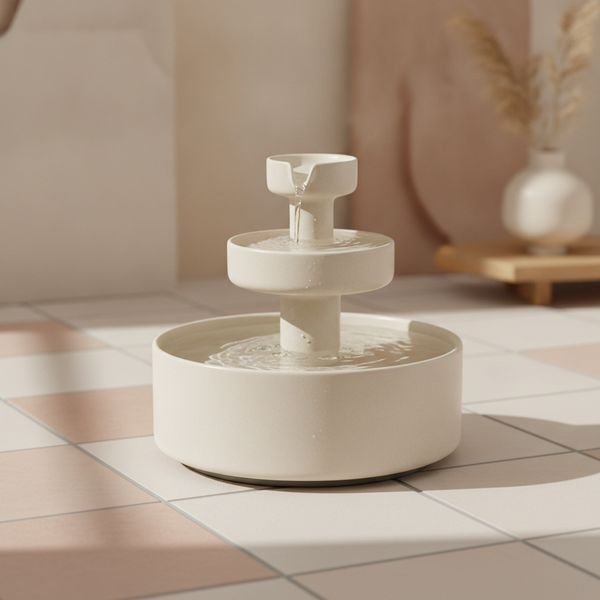
01 · Most useful for catsA pet water fountain
Cats in particular tend to drink too little, and many are far more interested in moving water than in a still bowl — a preference thought to trace back to avoiding stagnant sources. A fountain reliably increases how much they drink, which matters because cats are prone to urinary problems. Choose ceramic or stainless steel over plastic, which scratches and harbours bacteria, and be honest about maintenance: these need rinsing weekly and a filter change monthly, and a neglected fountain is worse than a clean bowl. If your animal has any urinary or kidney history, that is a vet conversation, not a shopping one.
$35–70Trade-off: Needs genuine weekly cleaning
Why it is here
- Reliably increases how much cats drink
- Ceramic and steel stay hygienic
- Filters remove the taste of stale water
Worth knowing
- Needs genuine weekly cleaning
- Pump noise varies — some models hum
02 · Best value enrichmentA puzzle feeder or slow feeder bowl
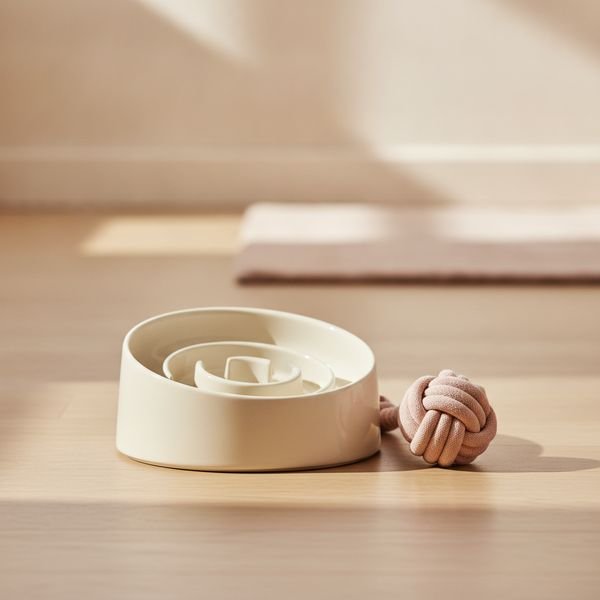
Most companion animals get their food for free in about ninety seconds, which leaves a lot of hours in the day with nothing to do. A puzzle feeder turns a meal into ten or fifteen minutes of foraging, which is closer to how animals are built to eat and takes the edge off boredom-driven behaviour. It also slows down dogs that inhale their food. Start easy — a puzzle that is too hard just gets abandoned or destroyed — and wash it properly, because the crevices that make it interesting also make it a good place for old food to sit.
$15–40Trade-off: Too-hard puzzles get abandoned
Why it is here
- Turns a 90-second meal into real activity
- Reduces boredom behaviour
- Slows down fast eaters
Worth knowing
- Too-hard puzzles get abandoned
- Crevices need proper washing
03 · Where the money is well spentA large, washable orthopaedic-style bed
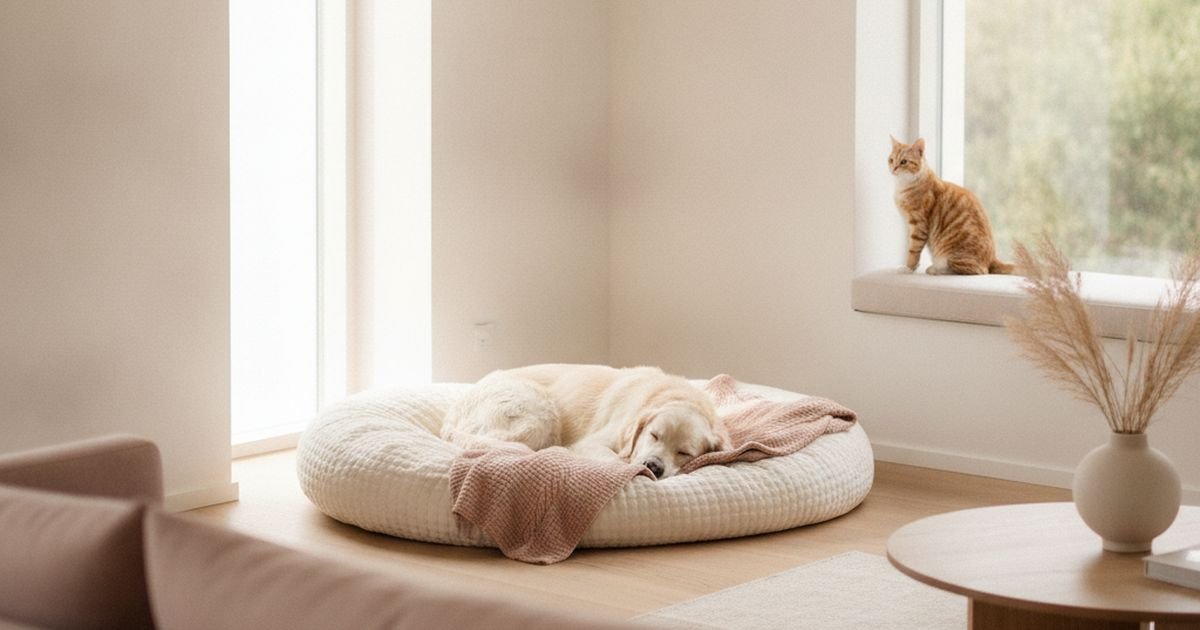
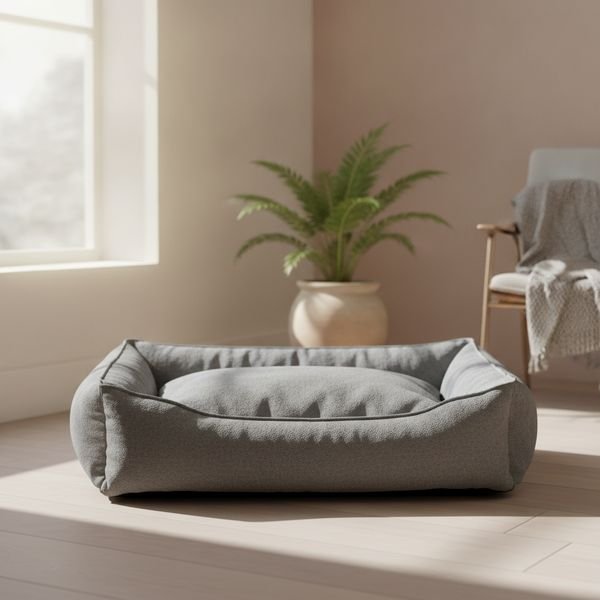
Animals sleep for most of the day, so the surface they sleep on is one of the highest-impact purchases on this list. The two specifications that matter are a genuinely removable, machine-washable cover — beds without one become unusable within a year — and enough size for the animal to stretch out fully rather than curl by necessity. Thick supportive foam is more comfortable for older or larger animals. We will describe it as supportive rather than therapeutic: comfort is real, but if your animal is stiff, slow on stairs or reluctant to jump, that is a vet visit.
$60–160Trade-off: Good ones are expensive in large sizes
Why it is here
- Affects most of your animal's day
- Washable covers keep it usable for years
- Thick foam suits older and larger animals
Worth knowing
- Good ones are expensive in large sizes
- Comfort is not treatment — see a vet for stiffness
04 · Better than a collar for walksA Y-front or front-clip harness
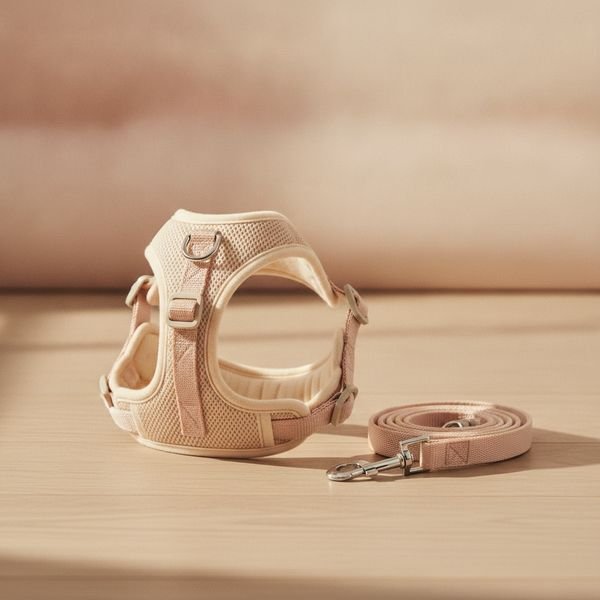
Pressure on a dog's throat from a collar during pulling is worth avoiding, and a well-fitted harness spreads the load across the chest instead. Look specifically for a Y-shaped front that sits clear of the shoulder joint, since the horizontal strap-across-the-chest designs restrict the shoulder through its natural range. A front attachment point helps redirect a dog that pulls, but treat it as a management tool while you train rather than a solution — pulling is a training problem, and the harness only buys you a calmer walk in the meantime. Measure the chest girth; sizing by weight alone is unreliable.
$25–60Trade-off: Not a substitute for training
Why it is here
- Keeps pressure off the throat
- Y-front designs leave the shoulder free
- Front clip helps while you train
Worth knowing
- Not a substitute for training
- Sizing by weight is unreliable — measure
05 · The free one genuinely worksA cardboard box, and cat shelves
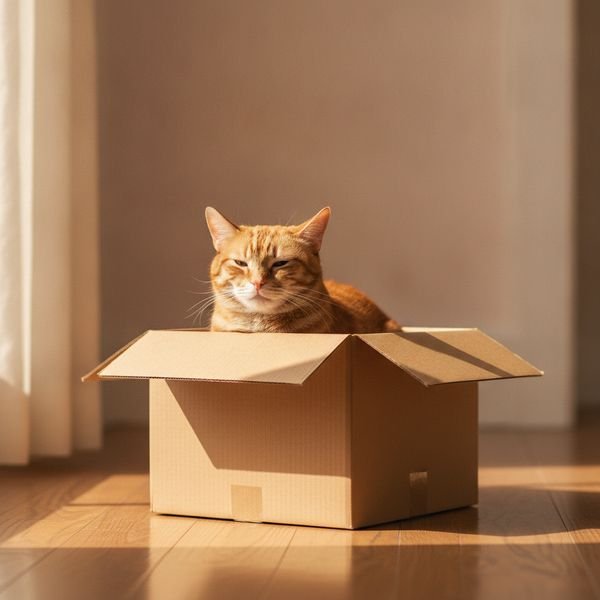
Cats need enclosed spaces and height, in roughly that order. Enclosure is about feeling secure enough to sleep deeply, and a plain cardboard box satisfies it completely and for free — studies on shelter cats found boxes measurably reduced stress in new arrivals. Height matters because vertical space effectively enlarges a small flat and lets a cat retreat from a dog, a toddler or a visitor. Wall shelves or a tall tree provide that. Spend the money on the vertical space if you are going to spend it anywhere, and let the box be a box.
$0–90Trade-off: Wall shelves need secure fixing
Why it is here
- The free option is genuinely effective
- Vertical space enlarges a small flat
- Gives a cat somewhere to retreat to
Worth knowing
- Wall shelves need secure fixing
- Cats ignore anything placed in the wrong spot
06 · Small tool, avoids a real problemA quality nail clipper or grinder
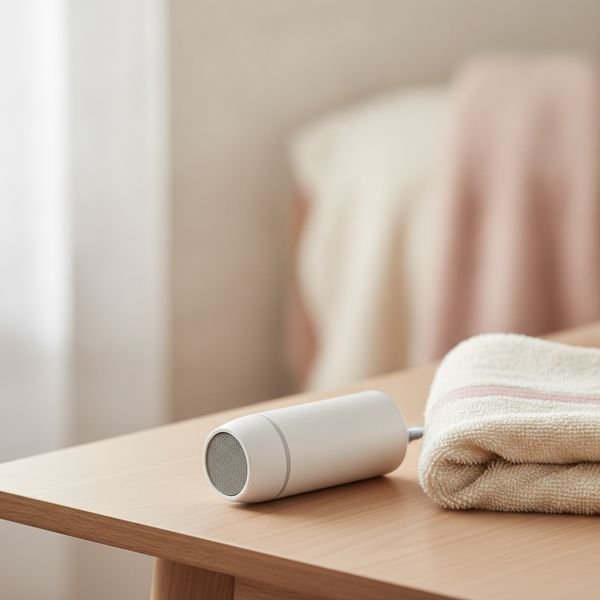
Overgrown nails change how an animal stands and walks, so this is basic maintenance rather than grooming vanity. A grinder is usually easier for nervous animals than clippers because it removes the sudden pressure and the loud snap, though it makes a vibration and a noise of its own that some animals dislike more. Whichever you choose, the important part is avoiding the quick — the blood vessel inside the nail — which is easy to see on pale nails and nearly impossible on dark ones. If your animal has black nails or hates having its feet held, having a groomer or vet nurse do it is a completely reasonable choice.
$15–45Trade-off: Cutting the quick hurts and bleeds
Why it is here
- Prevents a genuine posture and gait problem
- Grinders suit animals that fear the clipper snap
- Cheap, and lasts for years
Worth knowing
- Cutting the quick hurts and bleeds
- Grinder vibration bothers some animals
07 · The one you will restockAn enzymatic cleaner
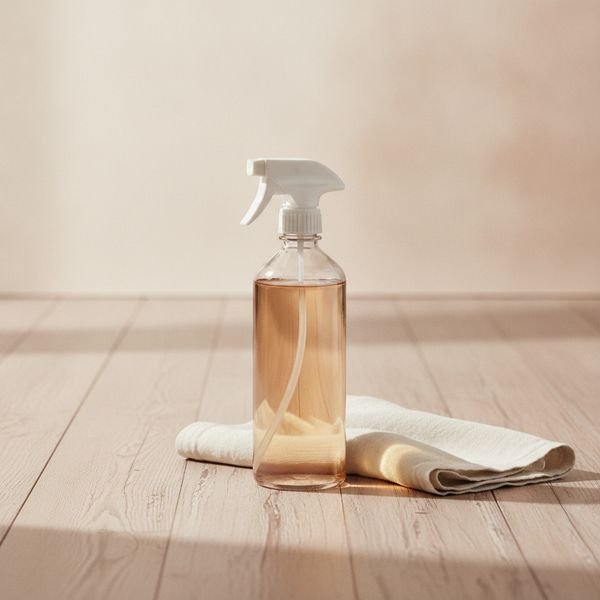
Ordinary household cleaner removes the visible mark and leaves the scent markers, which is why animals return to the same spot and repeat the accident. Enzymatic cleaners break those compounds down instead of masking them, which addresses the cause rather than the symptom. Two practical points. Never use an ammonia-based cleaner on animal urine, because ammonia is a component of urine and effectively signals that the spot is a toilet. And give the enzymes time — these products need to stay wet for several minutes to work, so soaking the area properly beats a quick wipe.
$15–30Trade-off: Needs to stay wet for several minutes
Why it is here
- Removes the scent marker, not just the stain
- Stops animals returning to the same spot
- Cheap relative to replacing a rug
Worth knowing
- Needs to stay wet for several minutes
- Never combine with ammonia-based cleaners
08 · Buy before you need itA secure, well-ventilated carrier
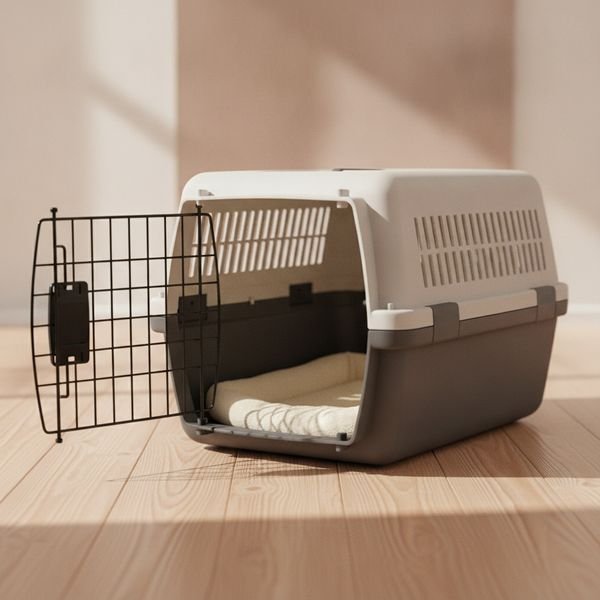
The carrier is bought in a hurry on a bad day, which is exactly the wrong time to be choosing one. Get a top-opening hard-sided model rather than front-only: lifting a frightened cat down into a carrier is far easier than posting it through a small front door while it braces against the frame. Leave it out in the room permanently with a blanket inside so it becomes furniture rather than a signal that something unpleasant is about to happen. That single habit removes most of the struggle. Check airline requirements separately if you plan to fly, as they are specific and strictly enforced.
$40–110Trade-off: Bulky to store if you do not leave it out
Why it is here
- Top-loading is dramatically easier
- Leaving it out removes the fear association
- Hard sides protect in a car
Worth knowing
- Bulky to store if you do not leave it out
- Airline-approved sizes differ — check separately
09 · Best for the sofa, and the animalA rubber grooming brush or de-shedding tool
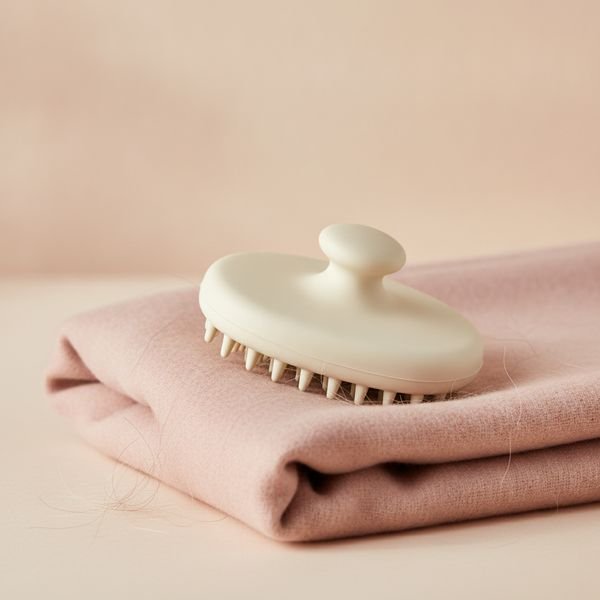
Regular brushing removes loose hair before it reaches your furniture, reduces the hairballs that come from cats grooming themselves, and gives you a weekly excuse to run your hands over the animal — which is how most owners find lumps, ticks and sore spots early. A soft rubber brush suits short coats and most cats, and it is the one animals tend to enjoy rather than tolerate. Aggressive blade-style de-shedding tools work quickly but will damage the coat if overused, so go gently and stop before the skin reddens.
$15–40Trade-off: Blade-style tools damage coats if overused
Why it is here
- Less hair on furniture and clothes
- Weekly handling catches problems early
- Most animals enjoy the rubber type
Worth knowing
- Blade-style tools damage coats if overused
- Long or double coats need a different brush
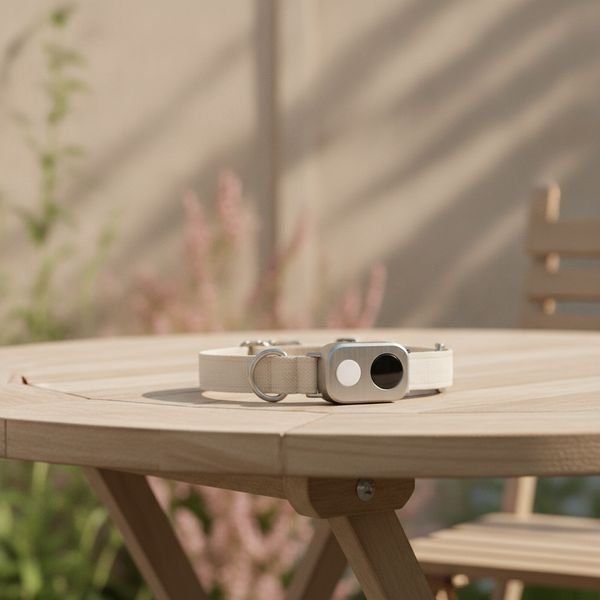
10 · Conditional — read the caveatsA GPS tracker, for outdoor animals
For a cat with outdoor access or a dog that has ever slipped a lead, live GPS location is genuinely reassuring in a way that a microchip is not — a chip only helps once someone else has found the animal and taken it to be scanned. Read the details carefully before buying, though. Most real GPS units need a monthly subscription, so the sticker price is not the cost. Battery life on live tracking is measured in days rather than weeks. And for cats, weight matters: a tracker should be well under five percent of body weight, on a quick-release safety collar.
$50–120 plus subscriptionTrade-off: Ongoing subscription is the real cost
Why it is here
- Live location, unlike a microchip
- Real reassurance for free-roaming animals
- Geofence alerts on some models
Worth knowing
- Ongoing subscription is the real cost
- Battery lasts days, not weeks — and weight matters for cats
Common questions
Does my cat really need a fountain?
Not strictly, but many cats drink noticeably more from moving water, and low water intake is linked to urinary problems. If your cat already drinks well from a bowl, a wide shallow bowl kept away from the food is fine.
Are anti-bark collars or shock collars a good idea?
No. The evidence points to aversive tools increasing fear and aggression without addressing the cause, and most veterinary behaviour bodies advise against them. Excessive barking is usually boredom, anxiety or alarm — worth diagnosing before buying anything.
What is the most overrated pet purchase?
Clothing, most branded toys, and automatic feeders bought for convenience rather than need. A feeder is genuinely useful for a strict feeding schedule, and largely pointless otherwise.
How do I keep an indoor cat from getting bored?
Vertical space, a window view, a few minutes of wand play daily, and feeding through a puzzle rather than a bowl. Those four cost very little and address the actual problem better than any single toy.
Today's deals
See what is discounted right now.
Deals →← All guides
As an AliExpress affiliate we earn from qualifying purchases. Prices and availability are accurate as of the date of publication and may change.