The children's aisle sells to a parent who is tired and hopeful, which is a difficult combination to shop well in. The result is that the most heavily marketed items — the ones with lights, sounds and a licensed character — are also the ones with the shortest attention half-life.
The pattern in what lasts is consistent: open-ended things a child can use twenty different ways beat closed things that do one impressive trick. A set of blocks outlives the toy that talks, every time.
Two safety notes we will not bury. Check the age grading on anything with small parts, and buy from sellers who publish safety certification — the children's category is one of the worst for counterfeits with fake or missing compliance marks. Nothing here is medical or developmental advice.
Prices are approximate at the time of writing. Second-hand is unusually good in this category, since most of it is outgrown long before it is worn out.
The short version
A large set of wooden or plastic building blocks
Longest useful life of anything here
Disclosure. The links on this page are affiliate links. If you buy through one we may earn a commission at no extra cost to you. It does not affect what makes this list or the order it is in.
How we picked
We favour open-ended toys, things that survive rough handling and items with long usable age ranges. We rely on published safety standards, consumer testing and long-run parent reports, and we have not personally used every product with our own children. Nothing here is medical or developmental advice, and where a product makes a developmental claim we treat that claim sceptically rather than repeating it.
At a glance
Prices are approximate at the time of writing and change often.
The picks
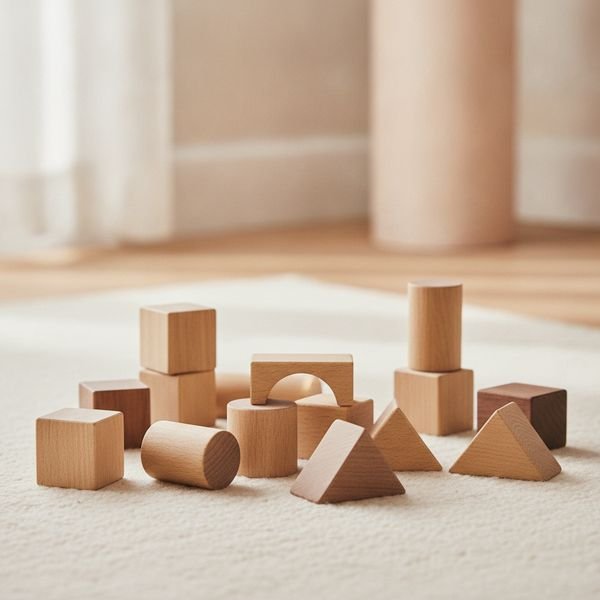
01 · Longest useful life of anything hereA large set of wooden or plastic building blocks
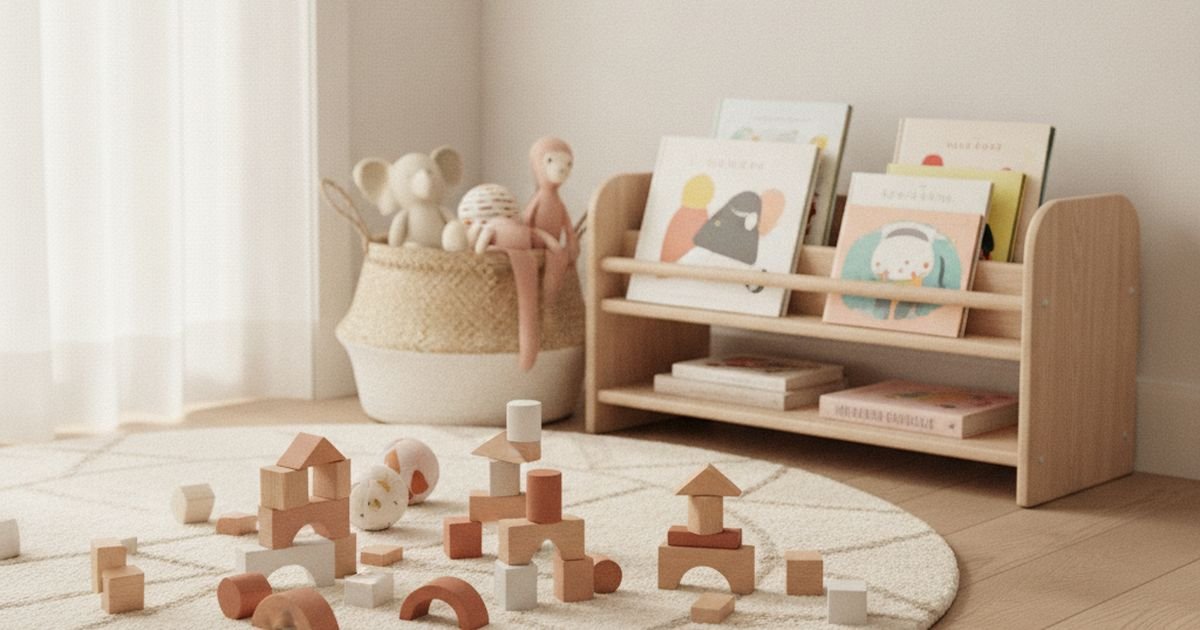
Blocks are the reference case for open-ended play. A two-year-old stacks and knocks them down, a five-year-old builds a castle, an eight-year-old builds a marble run, and none of that required the toy to change. That range is why blocks are still in the cupboard when the electronic toy bought the same Christmas has been gone for years. Buy more than feels necessary — the common complaint is running out mid-build, which ends the game. A plain set beats a themed one, because a theme tells the child what it is supposed to be.
$40–90Trade-off: Small sets frustrate rather than engage
Why it is here
- Useful from toddler to primary school
- Nothing to break, nothing to charge
- Holds resale value and passes to siblings
Worth knowing
- Small sets frustrate rather than engage
- Genuinely painful to step on
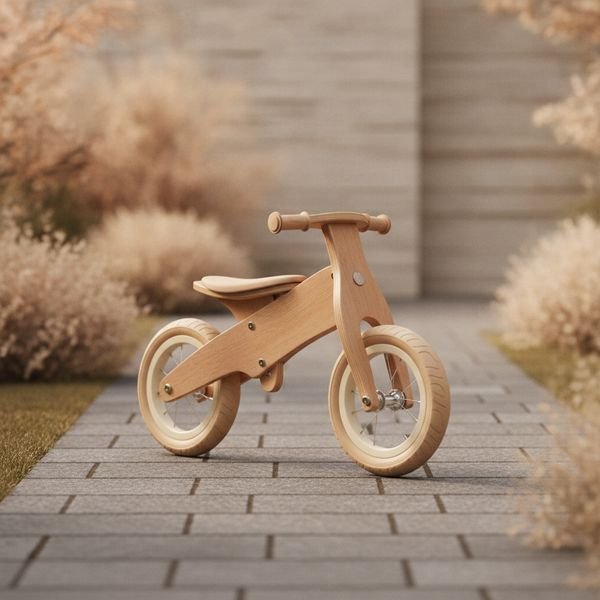
02 · Better than stabilisersA balance bike
Balance is the hard part of riding a bike, and pedalling is the easy part. Stabilisers teach the easy part first and actively prevent the child from learning to balance, which is why the transition off them is often miserable. A balance bike inverts that — children learn to glide and steer at their own pace, then usually move straight to a pedal bike with no intermediate stage at all. Get one where the seat drops low enough that both feet sit flat on the ground; that single measurement determines whether a nervous child will get on it.
$70–150Trade-off: Outgrown within about two years
Why it is here
- Teaches the genuinely hard skill first
- Most children skip stabilisers entirely
- Strong second-hand market both ways
Worth knowing
- Outgrown within about two years
- Seat must drop low enough — measure it
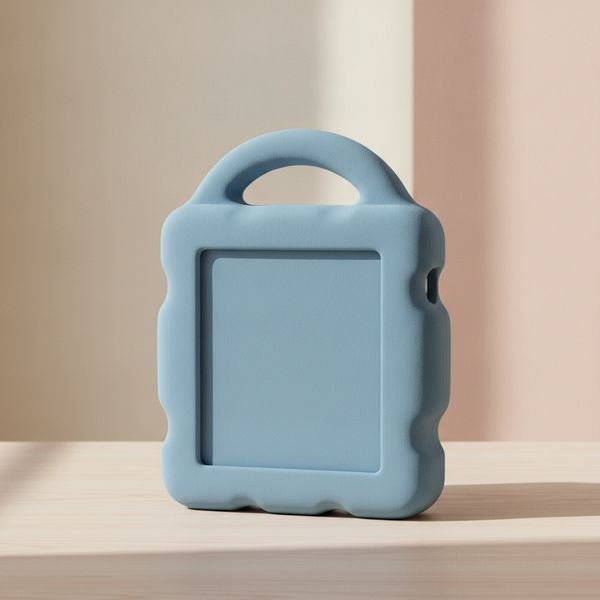
03 · Cheaper than the screenA tough tablet case, if there is a tablet
This makes no argument about screen time, which is a decision for your family. It observes only that if a tablet exists in the house, a foam bumper case with a handle and a fold-out stand costs a fraction of a replacement screen and turns an object children drop into an object that survives being dropped. The handle is the part that matters most — it changes how a child carries the thing, from a two-handed flat grip that slips to something they can hold like a bag. Check it fits your exact model, since generic cases usually block the camera or a port.
$25–50Trade-off: Bulky — will not fit in a small bag
Why it is here
- Costs a fraction of a screen repair
- The handle genuinely changes how it is carried
- Fold-out stand saves propping it on things
Worth knowing
- Bulky — will not fit in a small bag
- Generic sizes block cameras and ports
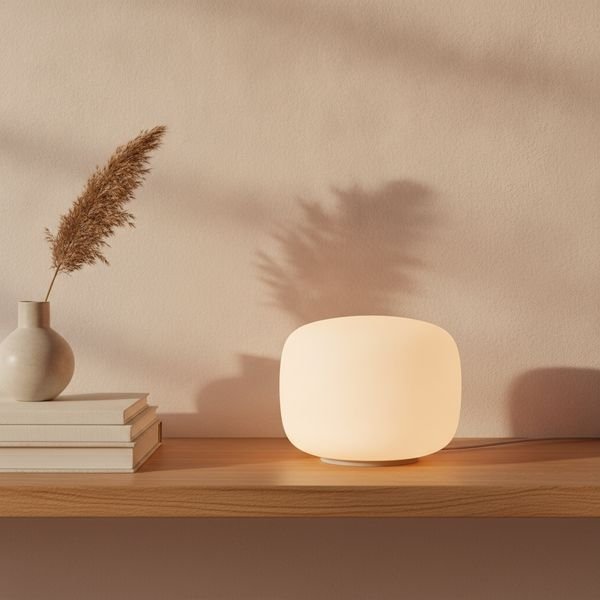
04 · Warm light, not blueA proper night light with a warm, dimmable glow
The two features to look for are warm colour and genuine dimmability. Cool blue-white light is the most alerting part of the spectrum, which is the opposite of what a bedroom needs, and a light with only one brightness is either too dim to reassure or bright enough to keep everyone awake. A portable rechargeable one doubles as the thing a child carries to the bathroom at 2am, which quietly removes a nightly negotiation. Avoid models that project a moving starfield if the goal is sleep — those are entertainment, and children treat them accordingly.
$20–50Trade-off: Projector models are entertainment, not sleep aids
Why it is here
- Warm dimmable light suits sleep
- Portable models solve the 2am bathroom trip
- Cheap and long-lived
Worth knowing
- Projector models are entertainment, not sleep aids
- Cheap LEDs render an unpleasant colour
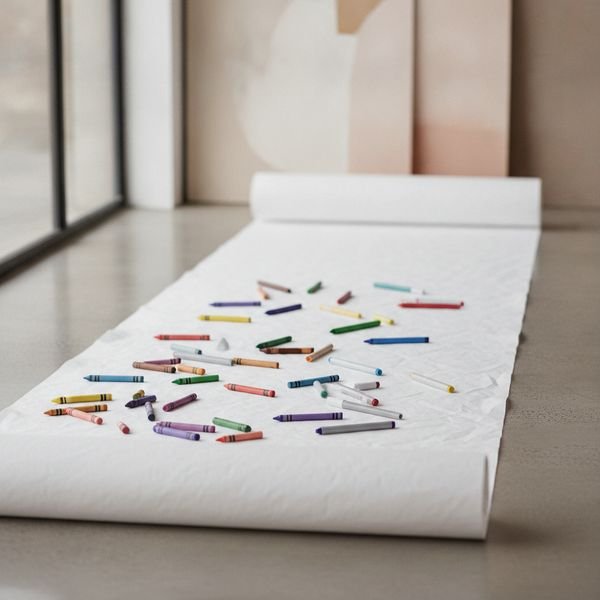
05 · Best hours per shekelWashable art supplies and a big roll of paper
Very few purchases produce as many occupied hours per shekel as a roll of paper and a set of washable pens. The roll is the underrated half: a large surface removes the constraint of a page, and children draw for much longer on something they cannot fill up. Insist on washable, and understand what the word means — it usually means washable from skin and most fabrics, not from a sofa or wallpaper, so the roll is doing double duty as a drop cloth. Store it somewhere the child can reach without asking, or it will be used far less.
$25–60Trade-off: 'Washable' does not mean from every surface
Why it is here
- Enormous number of occupied hours for the cost
- A big surface holds attention far longer
- Suits a wide age range simultaneously
Worth knowing
- 'Washable' does not mean from every surface
- Needs to be stored within the child's reach
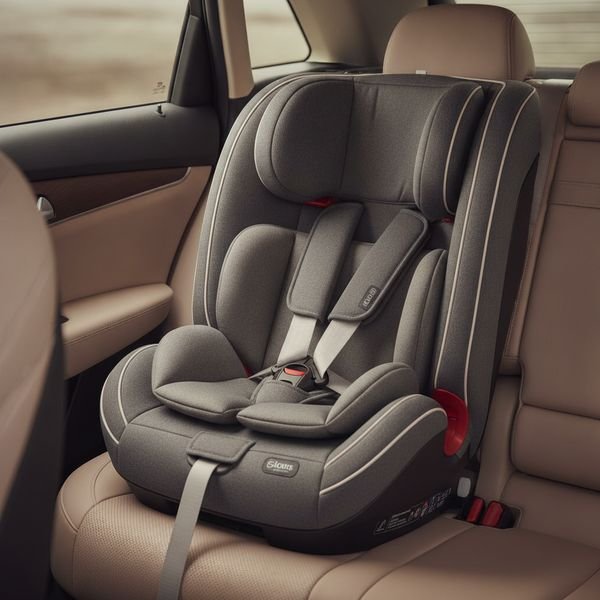
06 · Buy new, and check the standardA well-reviewed booster or car seat for the actual age
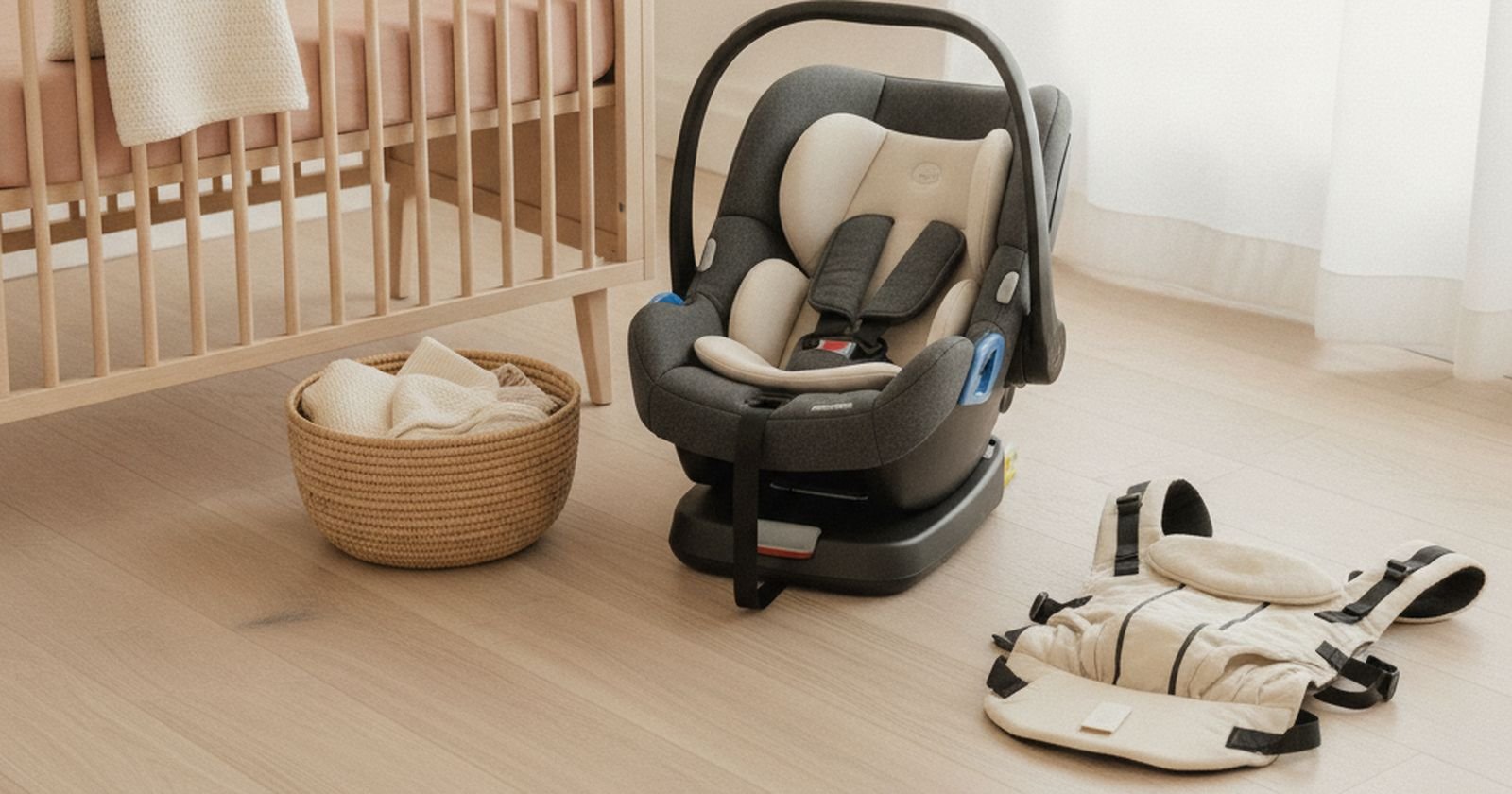
This is the one item on the page where we would tell you not to buy second-hand. A seat that has been in a collision can be compromised in ways that are invisible, and you cannot verify a stranger's account of its history. Buy new, check it carries the current regional standard, and confirm it fits your specific car — fit varies more than people expect between models. Most importantly, installation is where the safety actually lives: a correctly fitted mid-price seat protects better than an expensive one fitted loosely. Many places offer free fitting checks; use one.
$120–350Trade-off: Never buy this second-hand
Why it is here
- The one place a current safety standard is decisive
- Correct installation matters more than price
- Free fitting checks are widely available
Worth knowing
- Never buy this second-hand
- Fit varies significantly between car models
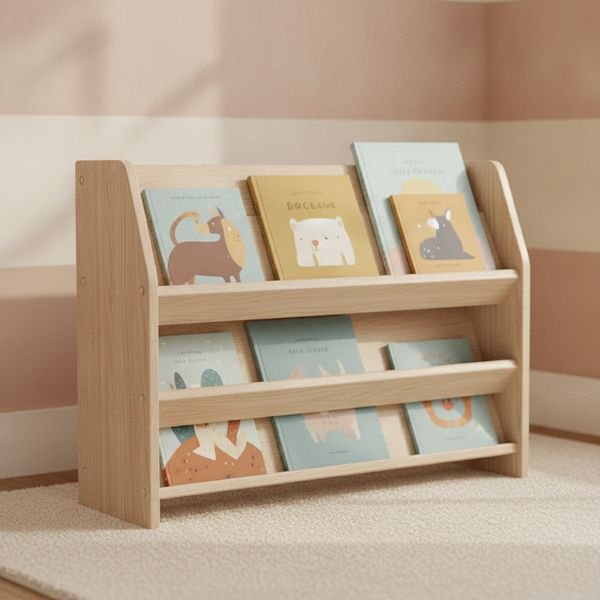
07 · Access changes useA sturdy, low bookshelf the child can reach
Books a child can see and reach get read; books on a high shelf get read when an adult decides. A low front-facing shelf shows covers rather than spines, which is how young children choose, and it turns reading into something they can start on their own. It also makes tidying possible, because a child who cannot reach the shelf cannot put anything back on it. One non-negotiable: anchor it to the wall. Furniture tip-overs are a well-documented cause of serious injury to small children, and every shelf sold for a child's room should be strapped.
$50–120Trade-off: Must be anchored to the wall, without exception
Why it is here
- Front-facing covers are how children choose
- Makes independent tidying possible
- Cheap and lasts through primary school
Worth knowing
- Must be anchored to the wall, without exception
- Holds fewer books than a tall shelf
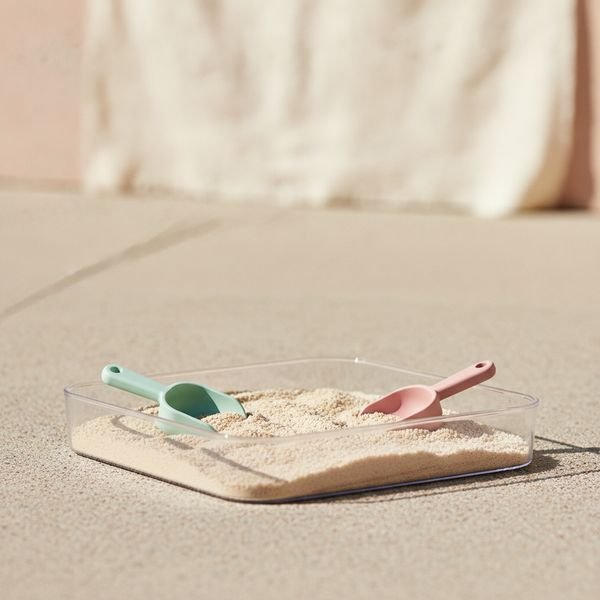
08 · Best outdoor valueA shallow water or sand tray
Sensory play with water or sand holds attention longer than almost any toy, and it works across a wide age range at the same time, which matters if you have more than one child. A tray on legs saves adult backs compared with a paddling pool on the ground, and it is easier to empty. Two safety points worth stating plainly: never leave a young child unattended around any standing water, however shallow, and empty the tray after use rather than letting it stand. Standing water also breeds insects within days in warm weather.
$40–90Trade-off: Never leave a small child unattended near water
Why it is here
- Holds attention longer than most toys
- Works for several ages at once
- Legs save adult backs
Worth knowing
- Never leave a small child unattended near water
- Must be emptied after every use
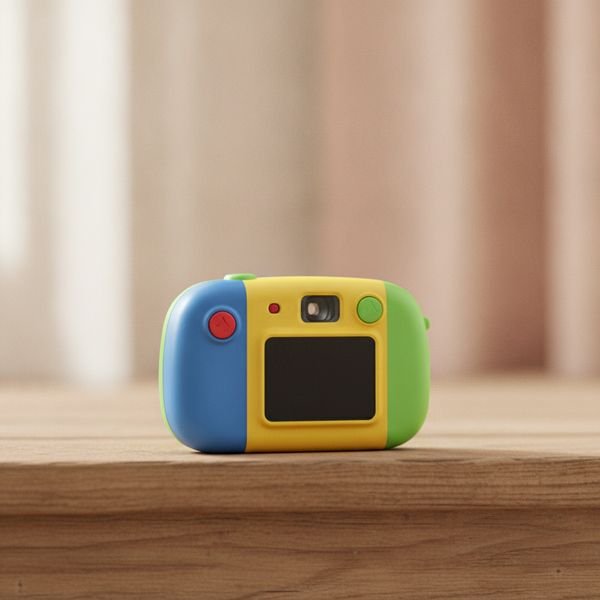
09 · The free version is often betterA kids' camera or an old phone with the SIM removed
Giving a child a camera changes how they look at a walk, and the photographs they bring back are genuinely worth keeping. Purpose-built kids' cameras are durable and simple, but the image quality is usually poor enough that the novelty fades. An old phone with the SIM removed and no accounts signed in takes far better pictures, costs nothing, and you almost certainly have one in a drawer. Put it in a rugged case, turn off the network, and it becomes a camera and nothing else — which is the version most parents actually want.
$0–70Trade-off: Dedicated kids' cameras take poor pictures
Why it is here
- Changes how a child looks at the world
- An old phone costs nothing and takes better photos
- SIM out and network off makes it single-purpose
Worth knowing
- Dedicated kids' cameras take poor pictures
- An old phone needs a genuinely rugged case
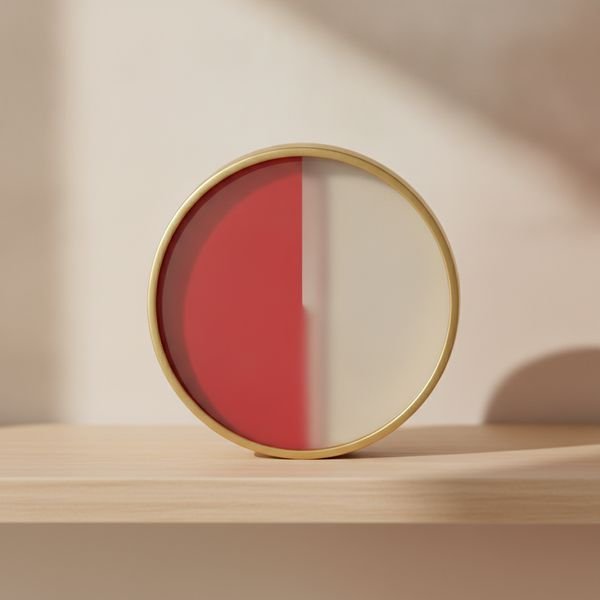
10 · Small object, fewer argumentsA visual timer
Young children do not have a reliable sense of how long ten minutes is, which is most of why time-based instructions turn into arguments. A timer that shows a shrinking coloured wedge makes the remaining time visible rather than abstract, so the end is something the child can see coming instead of something an adult suddenly announces. It is a small, cheap object that removes a recurring daily friction — screen time, tooth brushing, tidying, taking turns. Get a silent one for bedroom use; the ticking models are a poor choice anywhere near sleep.
$20–40Trade-off: Ticking models are unsuitable near sleep
Why it is here
- Makes abstract time visible to a young child
- Removes a recurring source of argument
- Works for several routines a day
Worth knowing
- Ticking models are unsuitable near sleep
- Only helps if used consistently
Common questions
What is the most overrated children's purchase?
Electronic toys with lights and sounds tied to a licensed character. They demonstrate rather than invite, so the child watches instead of playing, and attention drops off within weeks.
What is worth buying second-hand?
Almost everything except car seats and cot mattresses. Children outgrow things long before they wear out, so the used market is full of nearly-new items at a fraction of the price.
Are balance bikes really better than stabilisers?
For learning to ride, yes — balance is the difficult skill and stabilisers prevent the child from practising it. Most children move from a balance bike to a pedal bike without an intermediate stage.
How do I avoid counterfeit or unsafe toys?
Buy from sellers who publish safety certification, be sceptical of marketplace listings well below the usual price, and check the age grading. Missing or blurry compliance marks on the packaging are a reason to return it.
Today's deals
See what is discounted right now.
Deals →← All guides
As an AliExpress affiliate we earn from qualifying purchases. Prices and availability are accurate as of the date of publication and may change.