Many people want to improve their skin. The beauty industry offers an endless stream of new products, each promising remarkable results. It is easy to feel overwhelmed by the sheer number of serums, creams, and devices available. Most of these items are expensive, and their claims often lack substantial scientific backing. Consumers are encouraged to believe that complex routines with many steps are necessary, but this is rarely the case. Understanding a few key ingredients and what they can realistically achieve is far more effective than chasing every new trend.
The vast majority of skincare products simply act as moisturizers, offering temporary hydration. While hydration is important, it does not change the underlying structure or appearance of the skin in significant ways. Real changes often come from a small number of well-studied compounds. Devices, on the other hand, frequently come with high price tags and very little evidence to support their purported benefits. Approaching skincare with a skeptical eye, focusing on proven ingredients and simple steps, will save both money and disappointment.
The short version
Tretinoin (Generic)
The most impactful ingredient
Disclosure. The links on this page are affiliate links. If you buy through one we may earn a commission at no extra cost to you. It does not affect what makes this list or the order it is in.
How we picked
We have not conducted hands-on testing of these products. Our selections are based on a review of publicly available scientific literature and the general consensus among dermatological experts regarding ingredient efficacy. We prioritize ingredients with a reasonable body of evidence supporting their effects and products that make them accessible. Products with weak or no evidence for their claims are generally not recommended. Our goal is to provide a guide that cuts through marketing hype, focusing on what is known to work and transparently discussing limitations and trade-offs.
At a glance
Prices are approximate at the time of writing and change often.
The picks
01 · The most impactful ingredientTretinoin (Generic)
Tretinoin, a prescription-strength retinoid, is among the most studied ingredients in skincare. It is a derivative of vitamin A that influences how skin cells behave, encouraging faster turnover and helping to maintain the structure of collagen. Many people find it helps with the appearance of fine lines and uneven texture over time. It can take several months of consistent use to see noticeable effects, and initial irritation is common. Starting with a low concentration and gradually increasing frequency can help the skin adjust. This ingredient requires a doctor's prescription because of its potency and potential side effects, making it less accessible than over-the-counter options. Sun protection is crucial when using tretinoin.
$50-150Trade-off: Requires a prescription and regular doctor visits
Why it is here
- Considered highly effective for various skin concerns
- Well-researched with extensive data
Worth knowing
- Requires a prescription and regular doctor visits
- Can cause significant irritation, dryness, and peeling, especially when first starting
- Makes skin more sensitive to sun
02 · Strongest retinoid without prescriptionLa Roche-Posay Effaclar Adapalene Gel 0.1%
Adapalene is an over-the-counter retinoid that works similarly to tretinoin but is generally considered less irritating. It helps to regulate cell turnover and may assist in addressing skin texture concerns. Like all retinoids, it requires consistent use over many weeks or months to show its potential benefits. Users should start slowly, applying it a few times a week before increasing frequency, to allow the skin to adapt. It is often recommended for those who want the benefits of a retinoid without the need for a prescription or the often more intense initial side effects of tretinoin. Diligent use of sunscreen is necessary when incorporating adapalene into a routine, as it can increase sun sensitivity.
$25-45Trade-off: Still causes dryness, redness, and peeling for many users
Why it is here
- Effective retinoid available without a prescription
- Generally causes less initial irritation than tretinoin
Worth knowing
- Still causes dryness, redness, and peeling for many users
- Takes a long time to show results
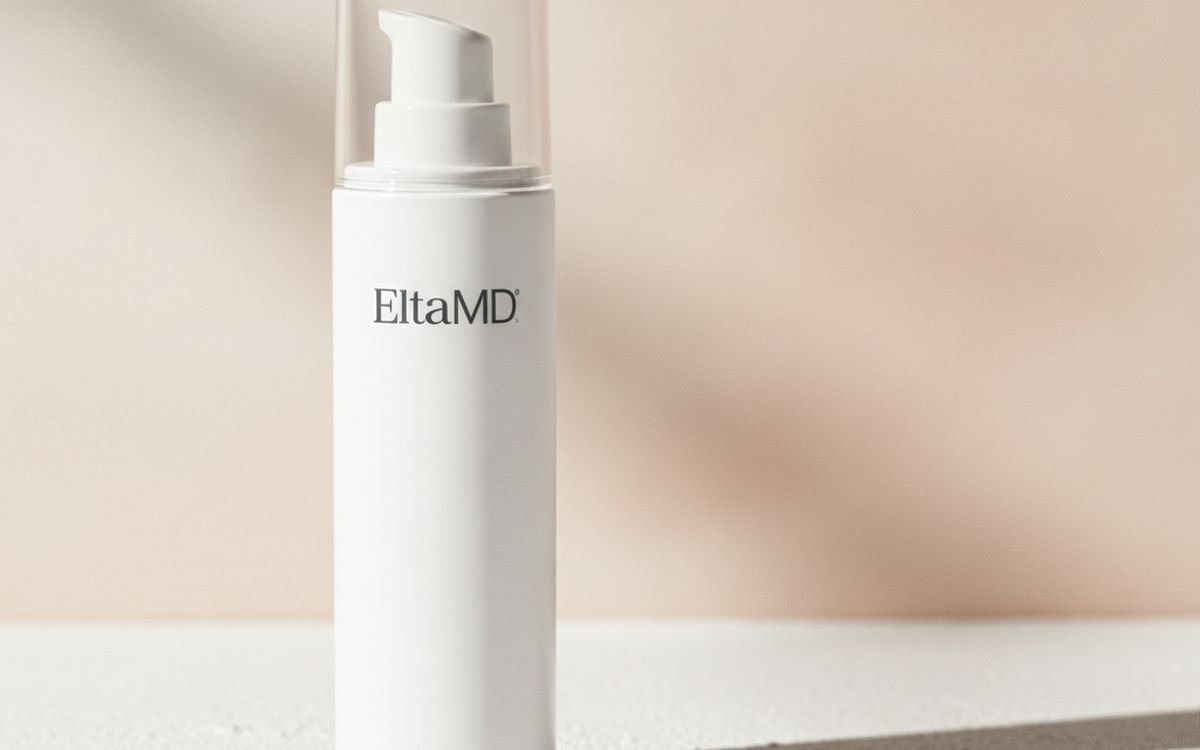
03 · Essential daily skin protectionEltaMD UV Clear Broad-Spectrum SPF 46
Daily sunscreen use is perhaps the single most impactful step in maintaining skin appearance. This mineral sunscreen uses zinc oxide and titanium dioxide to block UV radiation. It offers broad-spectrum protection, meaning it guards against both UVA and UVB rays, which can contribute to signs of aging and other skin damage. EltaMD UV Clear is often recommended for its lightweight feel and for being less likely to cause irritation or clog pores, which is important for people with sensitive or blemish-prone skin. Applying enough sunscreen, usually a quarter teaspoon for the face, and reapplying every two hours when exposed to direct sunlight, is crucial for its effectiveness.
$35-50Trade-off: Mineral sunscreens can sometimes leave a white cast, especially on darker skin tones
Why it is here
- Essential for protecting skin from UV damage
- Formulated to be lightweight and less irritating
Worth knowing
- Mineral sunscreens can sometimes leave a white cast, especially on darker skin tones
- Requires consistent reapplication for full protection
04 · Antioxidant for brighter skinPaula's Choice C15 Super Booster
Vitamin C, specifically L-ascorbic acid, is a well-researched antioxidant that may help protect the skin from environmental stressors. When applied topically, it can contribute to a brighter complexion and may help even out skin tone over time. It is a powerful ingredient that can be unstable and degrade when exposed to light and air. Formulations like Paula's Choice C15 Super Booster aim to stabilize it with ferulic acid and vitamin E, which also enhance its antioxidant effects. Integrating a vitamin C serum into a morning routine, after cleansing and before sunscreen, is a common practice. Consistency is key, as with most skincare ingredients, to observe any potential benefits.
$50-60Trade-off: L-ascorbic acid can be unstable and lose efficacy over time
Why it is here
- A potent antioxidant that may help brighten skin
- Can contribute to a more even skin tone
Worth knowing
- L-ascorbic acid can be unstable and lose efficacy over time
- Some users find it irritating or tingly upon application
05 · Balances oil, calms skinThe Ordinary Niacinamide 10% + Zinc 1%
Niacinamide, a form of vitamin B3, is a versatile ingredient that can benefit many skin types. It is known for its ability to help balance oil production, which can be useful for those with oily or combination skin. Some people also find it helps to minimize the appearance of pores and reduce redness. It is generally well-tolerated and can be incorporated into both morning and evening routines. The Ordinary's formulation is popular due to its high concentration of niacinamide at an accessible price point, making it easy to test its effects without a large investment. While beneficial, it is not a direct substitute for more targeted treatments like retinoids or AHAs for specific concerns.
$6-10Trade-off: High concentrations can sometimes cause flushing or irritation in sensitive individuals
Why it is here
- Helps balance oil production and minimize pore appearance
- Generally well-tolerated and affordable
Worth knowing
- High concentrations can sometimes cause flushing or irritation in sensitive individuals
- Effects are often subtle and take time to observe
06 · Exfoliates for smoother texturePaula's Choice 8% AHA Gel Exfoliant
Alpha Hydroxy Acids (AHAs) like glycolic acid work by gently loosening the bonds between dead skin cells on the surface, allowing them to shed more easily. This process can lead to smoother skin texture and a more even tone. A concentration of 8% is a good starting point for many, offering noticeable exfoliation without being overly aggressive. It is typically applied a few times a week, usually in the evening, after cleansing and before moisturizing. While AHAs can improve the superficial appearance of the skin, they do not penetrate as deeply as retinoids. Using an AHA makes your skin more sensitive to the sun, so consistent daily sunscreen use is critical.
$30-35Trade-off: Increases sun sensitivity significantly
Why it is here
- Helps improve skin texture and tone by exfoliating the surface
- Can make skin feel smoother
Worth knowing
- Increases sun sensitivity significantly
- Can cause initial stinging, redness, or irritation
07 · Unclogs pores, targets congestionPaula's Choice 2% BHA Liquid Exfoliant
Beta Hydroxy Acids (BHAs), primarily salicylic acid, are unique because they are oil-soluble, allowing them to penetrate into pores and help dissolve sebum and dead skin cells that can lead to congestion. This makes BHA particularly useful for people concerned with blackheads, whiteheads, or generally oily skin. A 2% concentration is common and effective for regular use. Like AHAs, BHAs provide exfoliation, but their oil solubility gives them an advantage for deeper pore clearing. It is typically used a few times a week. As with any exfoliant, beginning slowly and observing skin's reaction is advisable. Sunscreen remains a non-negotiable daily step when using BHAs.
$30-35Trade-off: Can be drying or irritating, especially when starting
Why it is here
- Penetrates oily pores to help clear congestion
- May reduce the appearance of blackheads and whiteheads
Worth knowing
- Can be drying or irritating, especially when starting
- Increases sun sensitivity
08 · Basic, effective barrier supportCeraVe Moisturizing Cream
A good moisturizer is fundamental to skin health, regardless of other treatments. CeraVe Moisturizing Cream contains ceramides, which are lipids naturally found in the skin barrier. Replenishing these can help maintain the skin's protective function, reducing moisture loss and guarding against environmental irritants. This cream is non-comedogenic, meaning it is formulated not to clog pores, and is fragrance-free, making it suitable for sensitive skin types. It provides hydration and supports the skin barrier, which is especially important when using potentially drying active ingredients like retinoids or AHAs/BHAs. It is a reliable, affordable staple for nearly any skincare routine.
$15-20Trade-off: May feel too heavy for extremely oily skin in humid climates
Why it is here
- Supports the skin's natural barrier with ceramides
- Affordable, widely available, and suitable for most skin types
Worth knowing
- May feel too heavy for extremely oily skin in humid climates
- Large tubs can be less hygienic than pump bottles

09 · Low-evidence, high-cost deviceDr. Dennis Gross DRx SpectraLite FaceWare Pro
LED light therapy masks utilize different wavelengths of light, typically red and blue, with claims to address various skin concerns. Red light is often said to support collagen production, while blue light is sometimes suggested to help with bacteria. The evidence supporting the significant efficacy of at-home LED masks is limited, especially when compared to in-office treatments which use much more powerful devices. While these masks are generally considered safe, the benefits observed by users are often subtle and require consistent, long-term use. The high price tag for devices like the Dr. Dennis Gross SpectraLite FaceWare Pro makes it a considerable investment for potentially modest returns.
$435-460Trade-off: Very expensive with limited scientific evidence for significant at-home results
Why it is here
- Non-invasive and generally considered safe for home use
- May offer subtle improvements in skin appearance over time
Worth knowing
- Very expensive with limited scientific evidence for significant at-home results
- Requires consistent, long-term use to see any potential benefits
10 · Temporary lifting, minimal evidenceNuFace Trinity Facial Toning Device
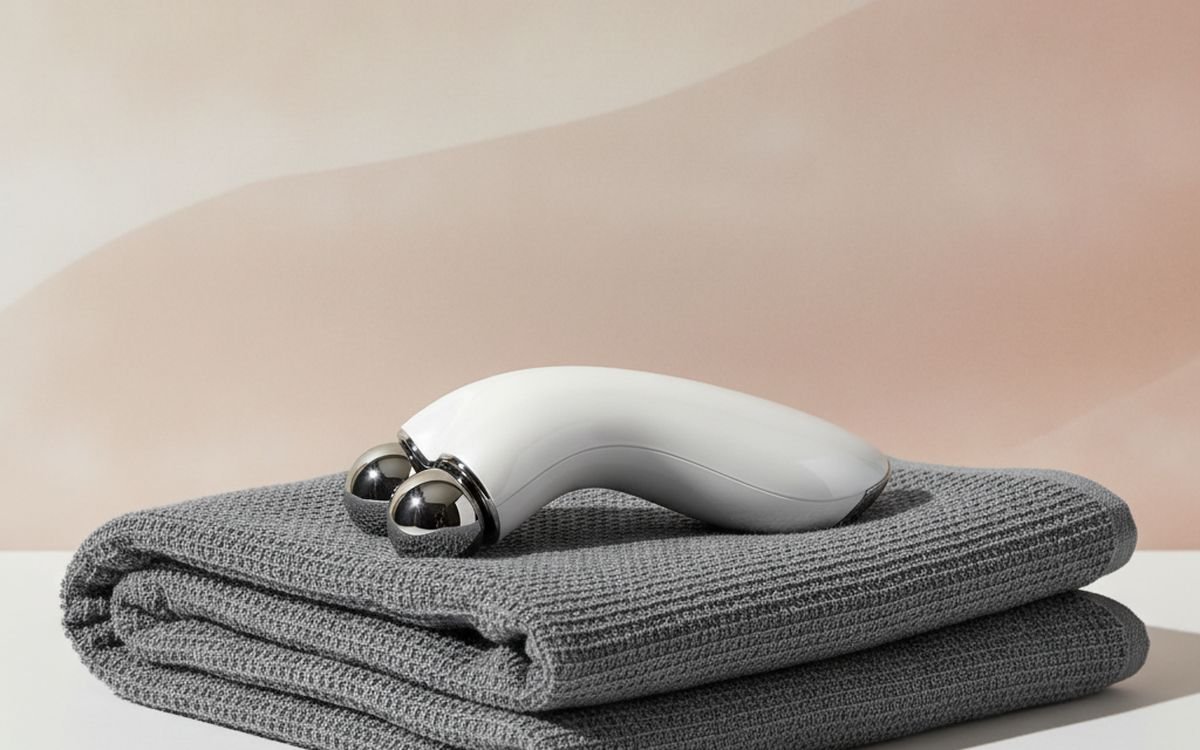
Microcurrent devices, such as the NuFace Trinity, deliver low-level electrical currents to the facial muscles. Proponents suggest this stimulation may help "tone" facial muscles, leading to a temporary lifted appearance. However, the scientific evidence for significant, long-lasting effects on skin firmness or muscle structure from at-home microcurrent devices is not robust. Any visible changes are often temporary and require diligent, daily use to maintain. The device needs to be used with a conductive gel, adding to the ongoing cost and routine steps. For most people, the substantial initial investment and commitment to daily sessions may not translate into results that justify the cost.
$325-350Trade-off: Very expensive with weak scientific evidence for long-term benefits
Why it is here
- Non-invasive and can provide a temporary, subtle lifting effect for some users
Worth knowing
- Very expensive with weak scientific evidence for long-term benefits
- Requires daily commitment and additional conductive gel for use
Common questions
Do I need a complicated, multi-step skincare routine?
No, a complicated routine is rarely necessary and can sometimes do more harm than good by introducing too many active ingredients at once, leading to irritation. A simple, effective routine often involves just a few core steps: cleansing, applying a targeted active ingredient like a retinoid or antioxidant, moisturizing, and consistently using sunscreen. Adding more products than this usually adds cost without adding significant benefit. Focus on consistency with a few well-chosen products rather than a multitude of steps. Simplicity often yields better and more predictable results for maintaining skin health.
Are expensive skincare products better than affordable ones?
Price is not a reliable indicator of effectiveness in skincare. Many expensive products primarily invest in marketing, elaborate packaging, and exotic ingredients that lack robust scientific backing. Conversely, many highly effective ingredients, like retinoids, vitamin C, or ceramides, are available in well-formulated products at very accessible price points. What matters most is the concentration and stability of proven active ingredients, and how they are delivered. Do not let high prices convince you that a product is superior; always look for evidence behind the claims and review the ingredient list.
What about anti-aging creams that promise to remove wrinkles?
No topical cream can remove established wrinkles. The appearance of fine lines and wrinkles can be influenced by several factors, including sun exposure, genetics, and repetitive facial movements. While ingredients like retinoids may help improve the appearance of fine lines and skin texture over time, they do not "erase" wrinkles. Many products promising dramatic wrinkle reduction often rely on temporary plumping effects from hydration, which fade quickly. True anti-aging primarily involves prevention through consistent sun protection and the long-term use of proven ingredients like retinoids. Be skeptical of exaggerated claims.
Should I use a facial cleansing brush or tool?
Most people do not need a facial cleansing brush. While they might feel like they offer a deeper clean, many brushes can be overly abrasive and irritate the skin, especially if used too frequently or with harsh cleansers. Manual cleansing with your fingertips and a gentle cleanser is usually sufficient for removing makeup, dirt, and oil without disturbing the skin's natural barrier. Over-exfoliation from brushes can lead to redness, sensitivity, and even breakouts. If you choose to use one, do so sparingly and gently, but it is generally a step you can safely skip.
Today's deals
See what is discounted right now.
Deals →← All guides
As an AliExpress affiliate we earn from qualifying purchases. Prices and availability are accurate as of the date of publication and may change.