Accessories do a disproportionate amount of work. A plain outfit with a good belt, a decent watch and shoes that fit reads as considered; the same outfit with worn-out versions of those three reads as tired. The clothes barely changed.
That leverage is why this list is built around things that last. Trend-led accessories date fast and are cheap for a reason. The pieces below are the ones that still look right in five years, which also makes them far better value per wear than the price suggests.
One honest note on fit and taste: we can tell you what is well made and what lasts. We cannot tell you what suits you, and anyone selling a universal rule about that is guessing. Where a choice is genuinely personal, we say so.
Prices are approximate at the time of writing. Several of these are much better bought second-hand, and we point out which. Reviewed in September 2026: the picks and reasoning below still hold.
The short version
A full-grain leather belt
Buy once if you buy right
Disclosure. The links on this page are affiliate links. If you buy through one we may earn a commission at no extra cost to you. It does not affect what makes this list or the order it is in.
How we picked
We favour construction that lasts and shapes that do not date, over whatever is current this season. We rely on published materials testing, traditional construction standards and long-run owner reports, and we have not personally worn every item here. We do not tell you what suits you — that is taste, and where a choice is personal we say so instead of pretending there is a right answer.
At a glance
Prices are approximate at the time of writing and change often.
The picks
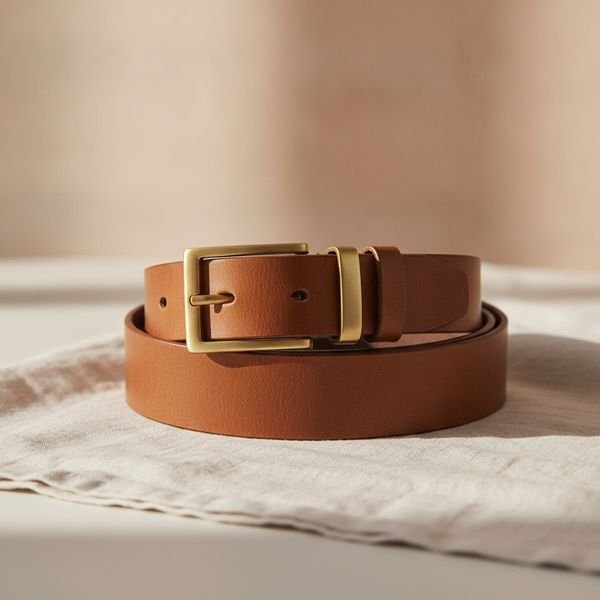
01 · Buy once if you buy rightA full-grain leather belt
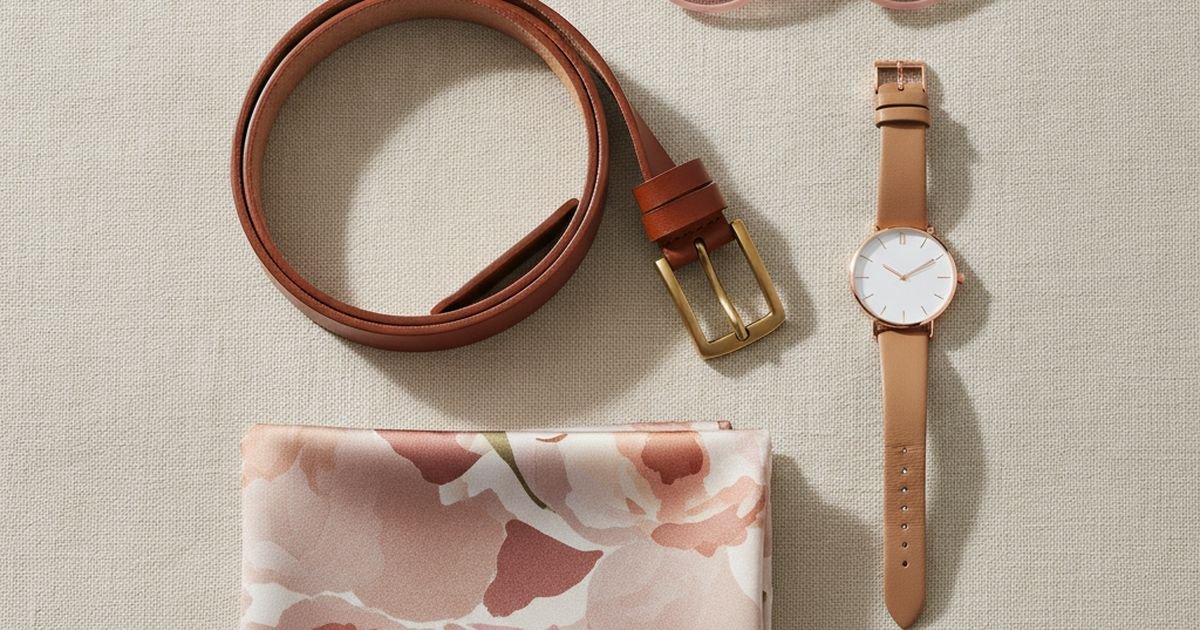
Most belts sold are bonded or genuine leather, which despite the name is the low grade — shredded leather scraps glued into a sheet. It cracks and delaminates within a year or two, which is why people replace belts constantly. Full-grain is the uncut top layer of the hide and it softens rather than degrades, so it looks better after five years than it did new. Look for stitched edges rather than glued, and a buckle attached with screws rather than rivets so you can replace it. One belt at this quality outlasts six cheap ones and costs less over that span.
$50–120Trade-off: 'Genuine leather' is a low grade, despite the name
Why it is here
- Improves with age instead of degrading
- Replaceable buckle extends its life further
- Cheaper per year than repeatedly buying cheap
Worth knowing
- 'Genuine leather' is a low grade, despite the name
- Stiff for the first few weeks
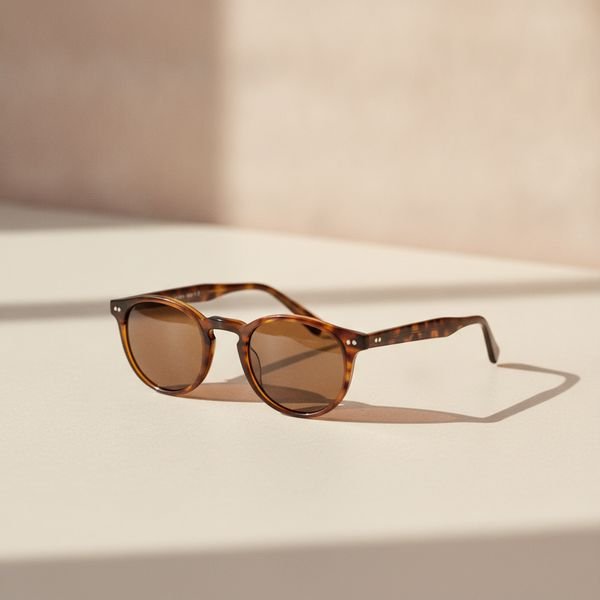
02 · Check the rating, not the tintSunglasses with real UV protection
Dark lenses without UV filtering are worse than no sunglasses, because the tint makes your pupils open wider and lets more ultraviolet reach the eye. Look for UV400 or a stated 100 percent UVA and UVB block — that is the specification that matters, and it is unrelated to how dark or how expensive the lenses are. Polarisation is a separate feature that cuts glare from water and roads and is genuinely useful for driving. Frame shape is entirely personal, which is a good reason to try them on rather than buy from a photograph.
$40–200Trade-off: Dark tint without UV filtering is actively harmful
Why it is here
- UV400 is a checkable, meaningful spec
- Polarisation genuinely helps when driving
- Classic shapes stay wearable for years
Worth knowing
- Dark tint without UV filtering is actively harmful
- Frame shape is personal — try before buying
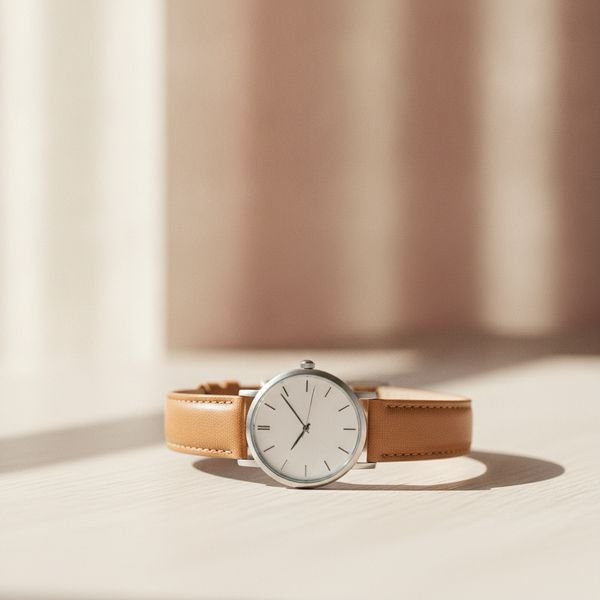
03 · One watch, several looksA simple watch on a changeable strap
A plain analogue watch with a clean dial goes with everything and dates far more slowly than anything with a busy face. The feature that gets overlooked is quick-release spring bars, which let you change the strap in seconds without tools — a leather strap and a woven one turn one watch into two, for about twenty pounds. Check the case diameter against your wrist rather than buying by trend, since watch sizing swings back and forth by a decade. A quartz movement is more accurate and far cheaper to maintain than mechanical; mechanical is a hobby, not an upgrade.
$100–350Trade-off: Case size is personal — measure your wrist
Why it is here
- Quick-release straps make one watch several
- Plain dials date very slowly
- Quartz is accurate and cheap to service
Worth knowing
- Case size is personal — measure your wrist
- Mechanical movements need periodic servicing
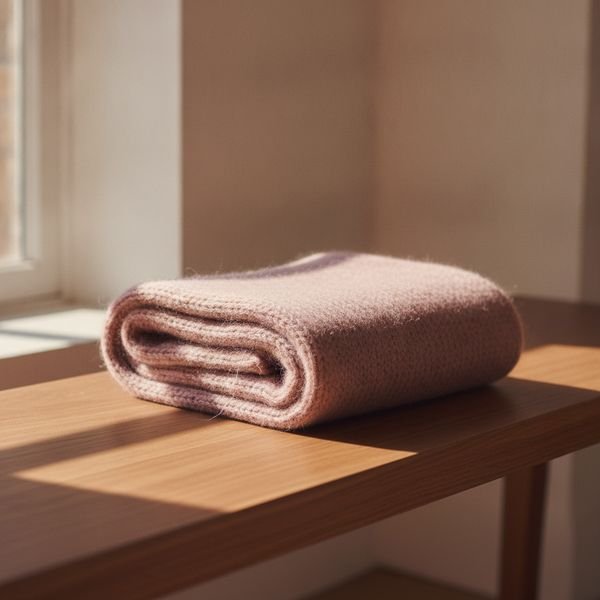
04 · Most warmth per gramA merino or lambswool scarf
A scarf is the cheapest way to make a coat warmer, because most heat is lost at the neck opening, and it is also the easiest place to add colour to an otherwise plain outfit. Merino is fine enough not to itch, which is the objection most people have to wool, and it regulates temperature far better than acrylic — acrylic traps sweat and then feels cold. A neutral colour is the more useful buy if you own one; a bright one is the better buy if you own three. Wash it rarely, cold, and dry it flat.
$40–120Trade-off: Wool needs careful washing and drying flat
Why it is here
- Closes the biggest heat leak in a coat
- Merino does not itch and handles damp well
- Cheap way to add colour to plain clothes
Worth knowing
- Wool needs careful washing and drying flat
- Moths — store it properly in summer
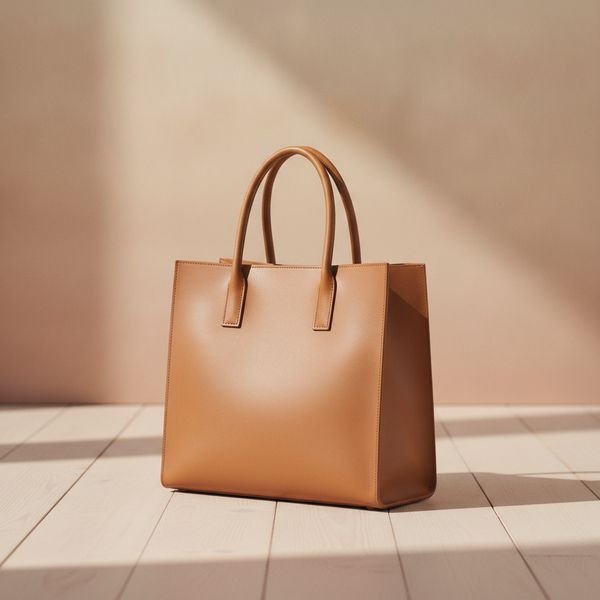
05 · Replaces several bagsA structured leather or canvas tote
The bag that gets used every day is the one that fits a laptop, does not collapse when half empty, and does not look out of place either at work or at dinner. Structure is what does that — an unstructured tote sags and everything migrates to the bottom, which is why they get abandoned. Look for a flat base, reinforced handle attachments, and a strap drop that clears your shoulder with a coat on. Check the interior has at least one zipped pocket; a single open compartment means excavating the whole bag for keys.
$80–250Trade-off: Heavy before you put anything in it
Why it is here
- Works for both work and evening
- Structure stops everything sinking to the bottom
- Good leather improves with use
Worth knowing
- Heavy before you put anything in it
- Open-top designs are not secure in crowds
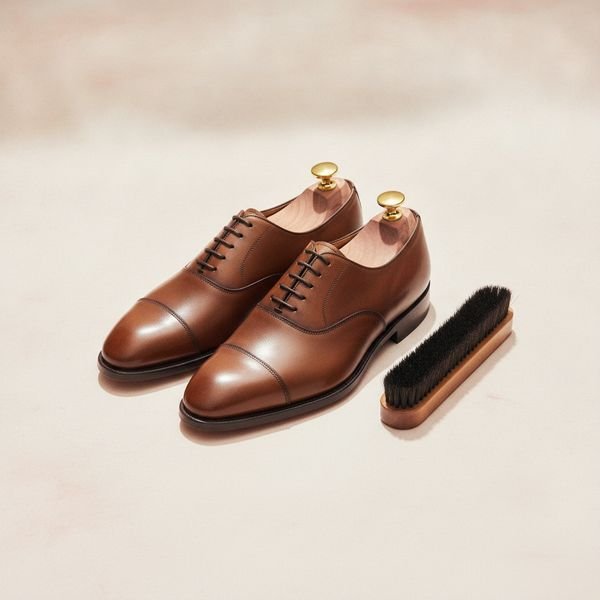
06 · Doubles the life of good shoesShoe trees and a decent brush
This is the highest-leverage entry here and nobody buys it. Leather shoes absorb a remarkable amount of moisture during a day and then dry in whatever crumpled shape they were left in, and those creases are where the leather eventually cracks. Cedar trees hold the shape and draw the moisture out overnight. A brush and occasional conditioner do the rest. Together they roughly double the usable life of a pair of good shoes for the price of a takeaway, which makes them better value than almost any actual garment on this page.
$30–70Trade-off: Only worth it for leather, not trainers
Why it is here
- Roughly doubles the life of leather shoes
- Cedar absorbs moisture and controls odour
- Costs a fraction of the shoes it protects
Worth knowing
- Only worth it for leather, not trainers
- Needs to become a nightly habit to work
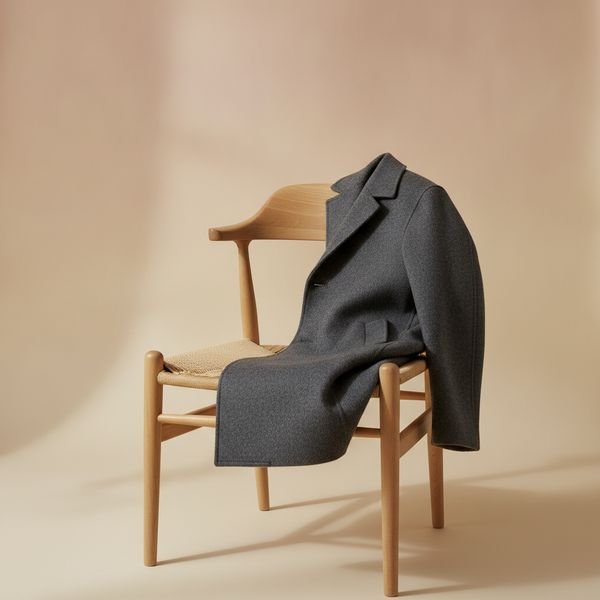
07 · Where second-hand wins outrightA pre-owned quality coat
A well-made wool coat is one of the few garments that genuinely lasts decades, and because coat shapes move slowly, a ten-year-old one rarely looks dated. That combination makes the second-hand market unusually good here: you can buy construction quality that would cost four times as much new. Check the lining and the underarm seams, which fail before the outer fabric does and are the expensive things to repair. Then get it altered — the shoulders must fit, but sleeve length and body taper are cheap adjustments, and fit is most of what makes a coat look expensive.
$80–300 usedTrade-off: Shoulders must fit — that cannot be altered cheaply
Why it is here
- Buy construction quality at a quarter of new
- Coat shapes date very slowly
- Alterations are cheap and transform the fit
Worth knowing
- Shoulders must fit — that cannot be altered cheaply
- Check lining and underarm seams before buying
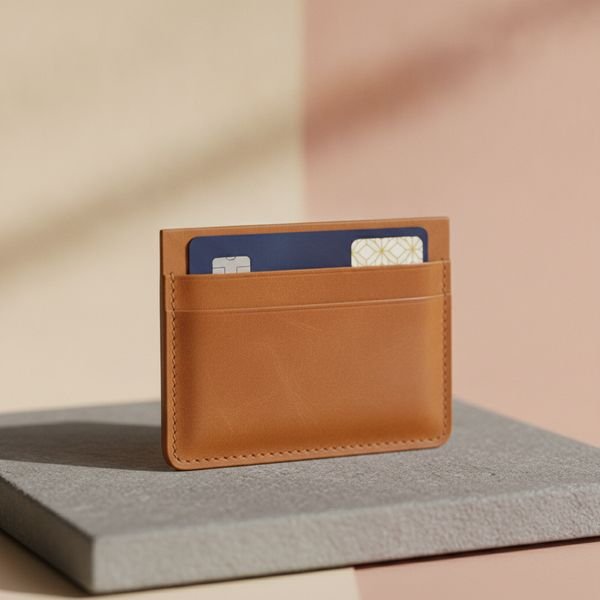
08 · Replaces the overstuffed walletA slim leather cardholder
The traditional bifold stuffed with receipts is bulky, ruins the line of a pocket and — if you carry it in a back pocket and sit on it all day — is genuinely associated with posture and back discomfort. A cardholder forces the useful discipline of carrying three or four cards rather than fifteen. Full-grain leather again, and stitched rather than glued edges. If you carry contactless cards, note that having several together can occasionally confuse a reader; a holder that separates them, or simply pulling one out, solves it.
$30–90Trade-off: No room for notes in the smallest designs
Why it is here
- Far less bulk in a pocket
- Forces you to carry only what you use
- Good leather ages well
Worth knowing
- No room for notes in the smallest designs
- Several contactless cards together can confuse readers
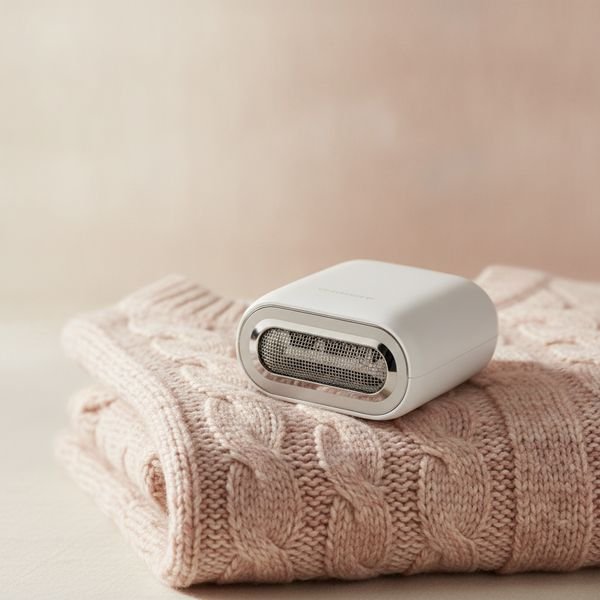
09 · Makes old clothes look newA fabric shaver
Pilling is what makes a jumper look old, and it is almost entirely cosmetic — the garment underneath is usually fine. A battery fabric shaver removes those bobbles in a few minutes and takes years off the appearance of knitwear, coats and upholstery. It is the cheapest thing on this page and probably the one with the highest ratio of visible improvement to cost. Use it on a flat surface rather than while wearing the garment, keep it moving, and start on the lowest setting on anything delicate, since it is genuinely possible to cut a hole in fine knit.
$20–40Trade-off: Can cut fine knit if used carelessly
Why it is here
- Takes years off the look of knitwear
- Cheapest visible improvement here
- Works on upholstery and coats too
Worth knowing
- Can cut fine knit if used carelessly
- Needs batteries or charging
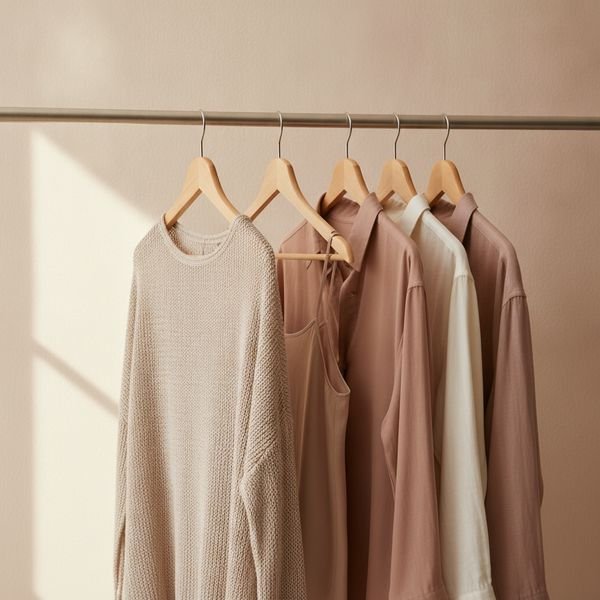
10 · Cheap, and prevents damageWooden hangers, at least for coats and tailoring
Thin wire and plastic hangers concentrate the weight of a garment onto two narrow points, and over a year that leaves permanent shoulder bumps in knitwear and distorts the shoulder line of a jacket — the one part of tailoring that cannot be repaired affordably. Broad wooden hangers spread the load across the natural shoulder shape. You do not need them for everything; use them for coats, jackets and anything structured, and keep the plastic ones for t-shirts. Knitwear is better folded than hung at all, whatever the hanger.
$25–60Trade-off: Take up noticeably more rail space
Why it is here
- Prevents permanent shoulder distortion
- The damage they prevent is not repairable cheaply
- Only needed for structured garments
Worth knowing
- Take up noticeably more rail space
- Knitwear should be folded regardless
Common questions
What single accessory makes the biggest difference?
Shoes that fit and are looked after. People notice worn-out shoes before anything else, and shoe trees plus a brush cost very little against the pair they protect.
Is 'genuine leather' good quality?
No — despite the name it is one of the lower grades, made from bonded scraps. Full-grain is the top layer of the hide and the one that lasts. Top-grain sits between the two.
What is worth buying second-hand?
Coats, leather bags and quality knitwear, all of which last far longer than one owner keeps them. Buy shoes new unless you know they fit, since a used pair has already moulded to someone else's foot.
How do I stop jumpers looking old?
A fabric shaver for the pilling, folding rather than hanging so the shoulders keep their shape, and washing less often and cooler than you probably do. Wool needs airing far more than it needs washing.
Today's deals
See what is discounted right now.
Deals →← All guides
As an AliExpress affiliate we earn from qualifying purchases. Prices and availability are accurate as of the date of publication and may change.