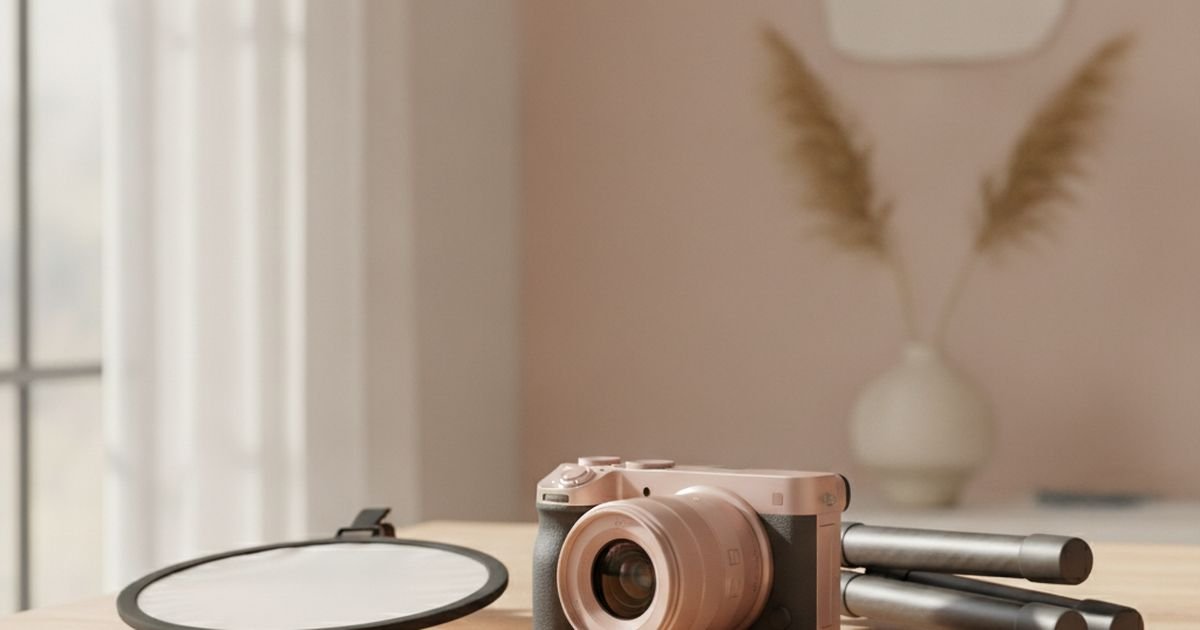
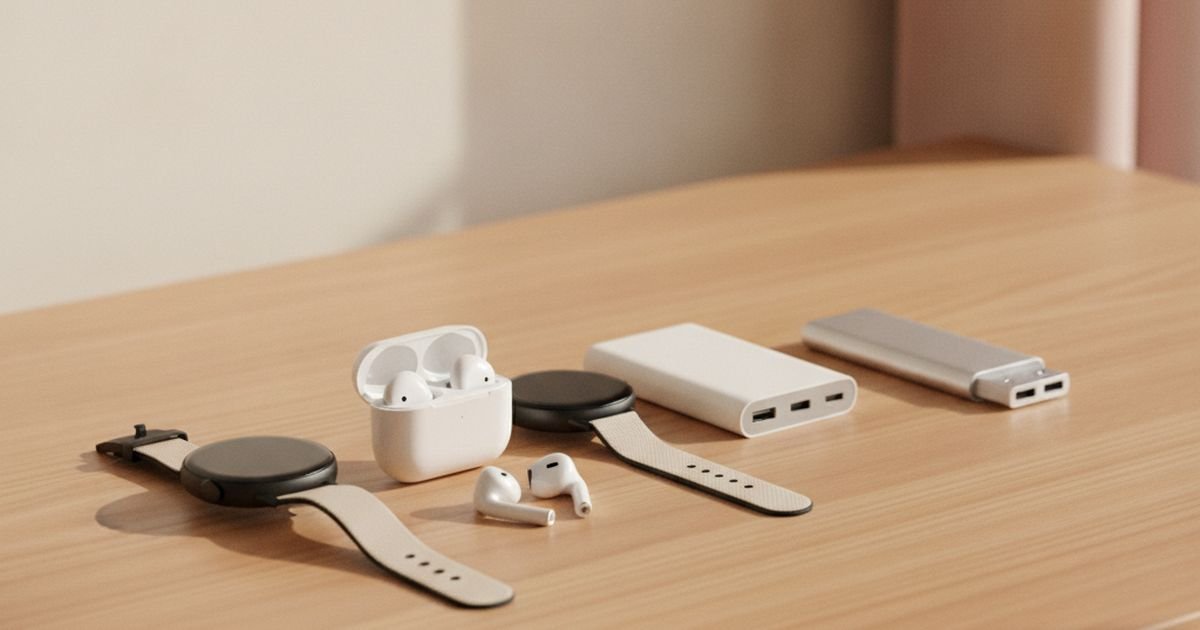
Photography is one of the few hobbies where people reliably buy the wrong thing first. The instinct is a new body, and the answer is almost always light, glass or stability — in that order.
A camera records whatever light is in front of it. Change the light and the picture changes completely. Change the body and you get the same picture with slightly cleaner shadows. That single idea explains the ordering of this entire list.
Prices are approximate at the time of writing. Photography has an unusually healthy second-hand market, and for several items below used is straightforwardly the better buy — we say where.
The short version
A 50mm or 35mm prime lens
The upgrade that changes photos
Disclosure. The links on this page are affiliate links. If you buy through one we may earn a commission at no extra cost to you. It does not affect what makes this list or the order it is in.
How we picked
We rank by effect on the final image: light first, then glass, then stability, then convenience. We draw on published optical testing, professional practice and long-run owner reports, and we have not personally shot with every item here. Where the better answer is second-hand, or is a technique rather than a purchase, we say so.
At a glance
Prices are approximate at the time of writing and change often.
The picks
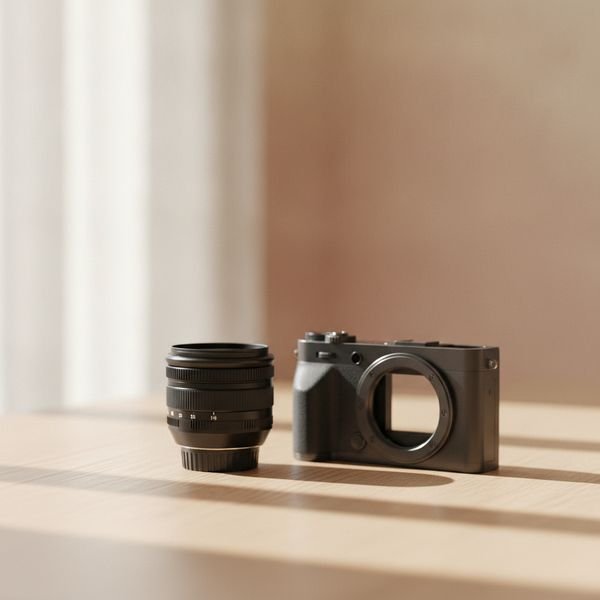
01 · The upgrade that changes photosA 50mm or 35mm prime lens
A fast prime is the cheapest route to pictures that look different rather than merely sharper. A wide aperture lets in far more light than a kit zoom, so you can shoot indoors and at dusk without pushing the sensor, and it separates a subject from a busy background in a way no amount of processing convincingly fakes. The fixed focal length is a feature disguised as a limitation: not being able to zoom forces you to move, and moving is what teaches composition. Around a hundred and fifty dollars for the biggest single jump in image quality most people will ever make.
$120–250Trade-off: No zoom — you move instead
Why it is here
- Shoots in light a kit zoom cannot
- Genuine subject separation, not a filter
- Cheap, especially used
Worth knowing
- No zoom — you move instead
- One focal length will not suit every scene
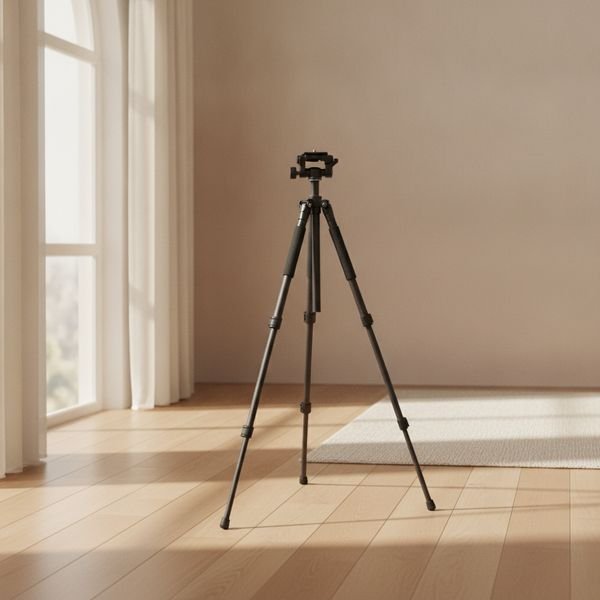
02 · Buy once, buy heavy enoughA sturdy tripod
A tripod unlocks entire categories of photograph that are simply impossible handheld: night scenes, long exposures on water, low-light interiors, and any careful composition you want to refine rather than snatch. The mistake is buying a cheap one, because a tripod that shakes in wind is doing nothing at all and you end up buying twice. Judge it on the stated load rating against your heaviest lens, and prefer a ball head for speed. Aluminium is heavier and much cheaper than carbon fibre; carbon is worth it only if you carry it long distances.
$100–300Trade-off: Cheap tripods are worse than none
Why it is here
- Enables shots impossible handheld
- A good one lasts decades
- Ball heads are fast to compose with
Worth knowing
- Cheap tripods are worse than none
- Carbon fibre costs a lot to save a little weight
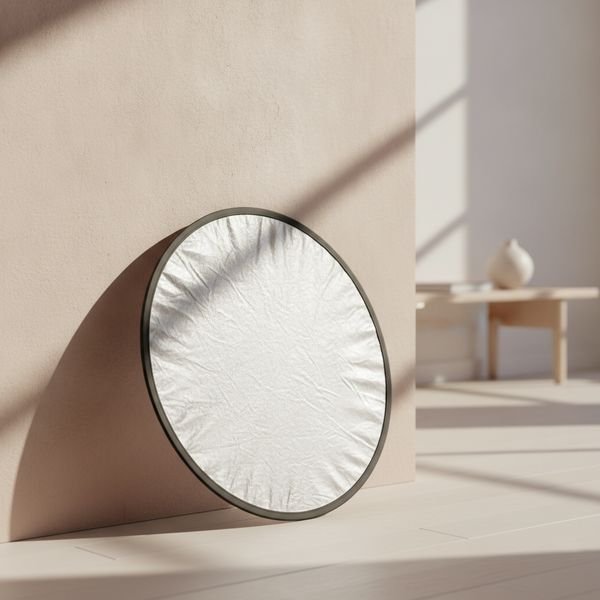
03 · Most improvement per shekelA 5-in-1 reflector
This is the cheapest item here and the one that most improves portraits, because it fixes the actual problem with most amateur photographs — harsh shadows under the eyes and chin. Bouncing existing light back into those shadows costs nothing per shot and needs no batteries. The white side is the one you will use most; silver is punchier and can be harsh; the black side is for subtracting light, which is a genuinely useful trick people forget. The practical catch is that you often need someone to hold it, or a stand, which is worth budgeting for.
$25–50Trade-off: Usually needs a second pair of hands or a stand
Why it is here
- Fixes harsh shadows for almost nothing
- No batteries, nothing to fail
- Folds into a bag
Worth knowing
- Usually needs a second pair of hands or a stand
- Silver side can be unflatteringly harsh
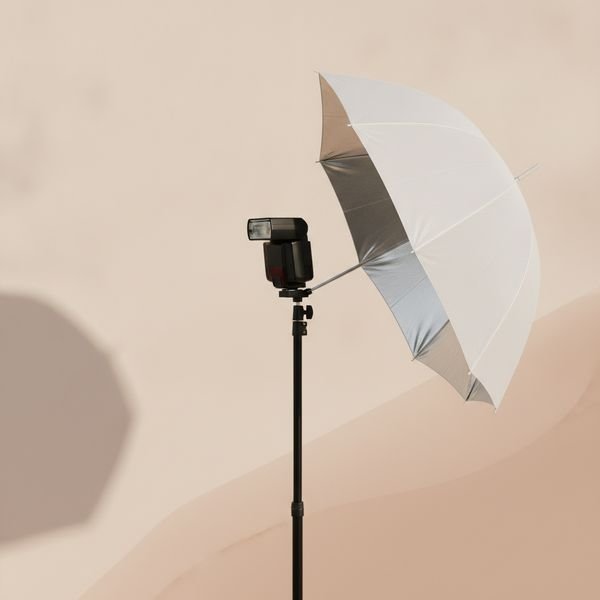
04 · Where photos start looking professionalAn off-camera flash and trigger
The single change that most separates amateur from professional-looking images is getting the light off the camera. A flash mounted on the hot shoe produces flat, frontal light with hard edges — the classic snapshot look. Move that same flash a metre to one side and the subject gains shape and depth. A cheap manual flash plus a radio trigger does this perfectly well; you do not need automatic metering to learn. There is a genuine learning curve, and the first fifty frames will be badly exposed. It is the steepest curve on this page and the biggest payoff.
$90–250Trade-off: Real learning curve — expect early failures
Why it is here
- The clearest step toward professional-looking light
- Manual flashes are cheap and perfectly capable
- Works anywhere, indoors or out
Worth knowing
- Real learning curve — expect early failures
- Needs a stand and modifier to be useful
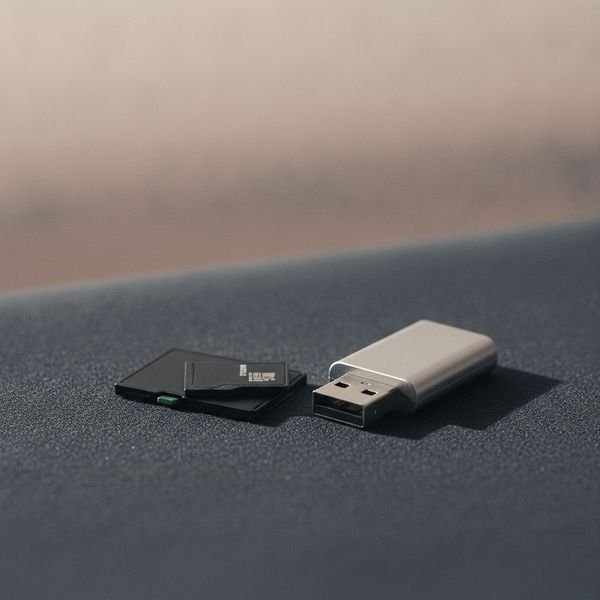
05 · Never economise hereFast, reliable memory cards from a known brand
A memory card is the one component that can lose a whole day's work rather than merely disappoint you, and the marketplace is full of counterfeits with faked capacity that fail once you actually fill them. Buy from a reputable seller, not the cheapest listing. Match the speed class to what you shoot — video has a sustained write requirement stills do not, and an underspecified card causes recording to stop mid-clip. Two medium cards beat one large one, because a card failure then costs half a shoot instead of all of it.
$25–90Trade-off: Counterfeits are widespread on marketplaces
Why it is here
- Protects work that cannot be recreated
- Correct speed class prevents recording failures
- Two smaller cards halve the risk
Worth knowing
- Counterfeits are widespread on marketplaces
- Genuine cards cost noticeably more
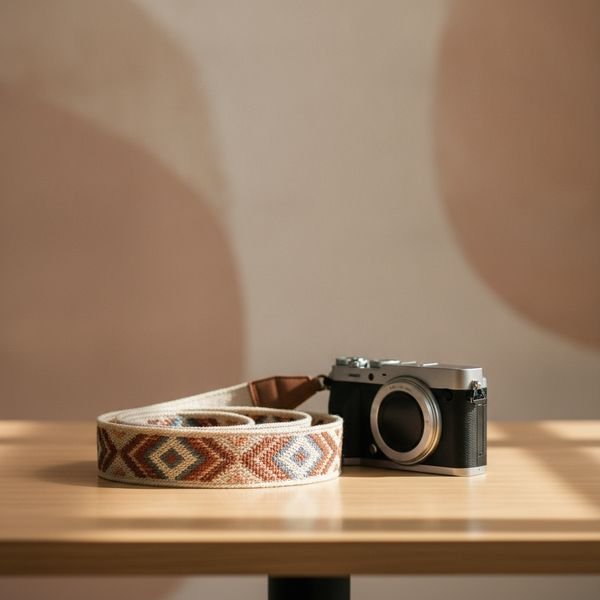
06 · Small change, all-day effectA comfortable camera strap
The strap that came in the box is a thin nylon band that concentrates the weight of body and lens onto a narrow line across your neck. After three hours of walking you notice, and the camera ends up in the bag, which means you stop taking pictures — the actual cost. A wide padded sling that carries the weight across the body instead solves it. Quick-release connectors let you move one strap between bodies and detach it for tripod work. Cheap, and it changes how long you are willing to carry a camera.
$25–70Trade-off: Slings can swing forward when you bend
Why it is here
- Spreads weight so you carry it longer
- Quick-release moves between bodies
- Cheap for the comfort gained
Worth knowing
- Slings can swing forward when you bend
- Another thing to unclip for tripod work
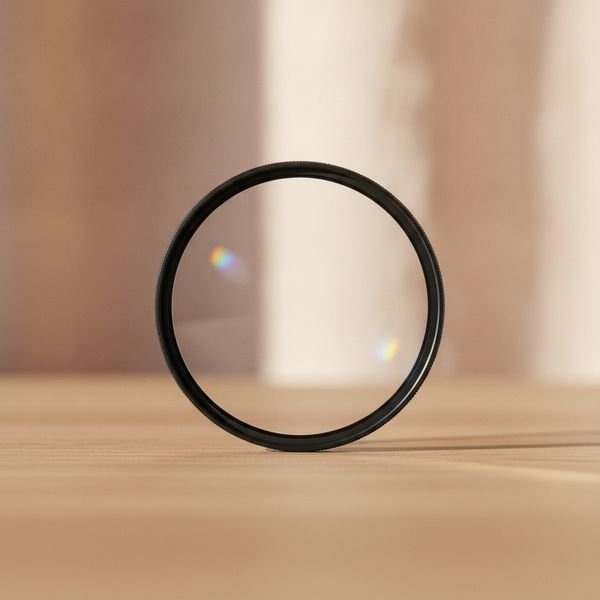
07 · The effect you cannot add laterA circular polarising filter
Almost every filter effect can be reproduced in editing. A polariser cannot, because it physically removes reflected light before it reaches the sensor. That means cutting glare off water and glass, seeing through the surface of a river, and deepening a blue sky in a way no slider genuinely replicates. Buy decent glass — a cheap filter puts a poor optical element in front of the good lens you just bought, which is self-defeating. It costs you roughly one to two stops of light, so it is a daylight tool, and its effect changes as you rotate it relative to the sun.
$30–90Trade-off: Costs one to two stops of light
Why it is here
- The one effect editing cannot replicate
- Cuts glare from water, glass and foliage
- Deepens skies naturally
Worth knowing
- Costs one to two stops of light
- Cheap filters degrade a good lens
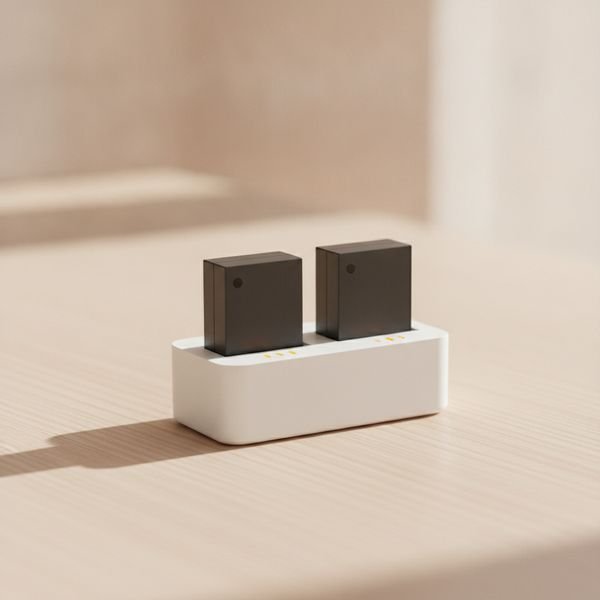
08 · Unglamorous, and you will need themSpare batteries and a dual charger
Mirrorless cameras run an electronic viewfinder continuously and get through batteries far faster than the old optical bodies did, and cold weather roughly halves what you get. Two spares is the sane minimum for a full day. A dual charger means everything is ready overnight instead of you charging sequentially and forgetting the last one. Third-party batteries are typically half the price and mostly fine in practice, with the caveat that some bodies restrict features or display warnings with unofficial cells — worth a quick check for your specific camera before buying four of them.
$40–90Trade-off: Some bodies restrict unofficial batteries
Why it is here
- Mirrorless bodies drain batteries quickly
- Dual charger means everything is ready by morning
- Third-party cells are usually fine and much cheaper
Worth knowing
- Some bodies restrict unofficial batteries
- Cold weather roughly halves capacity
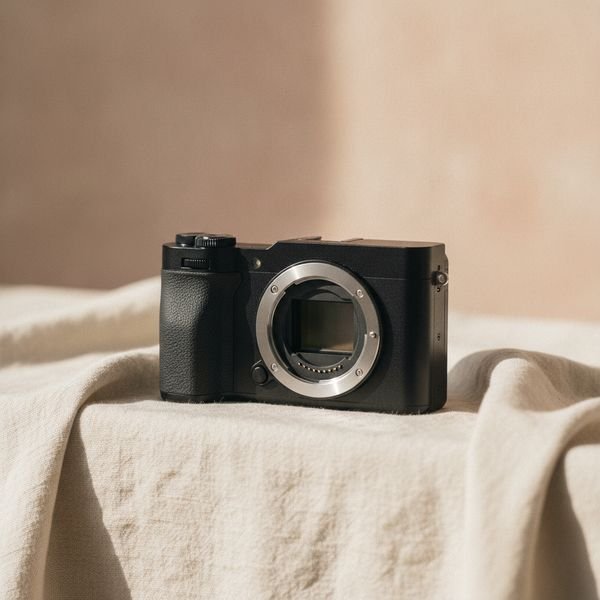
09 · Where to save, not spendA used camera body
Bodies depreciate hard and lenses barely do, which tells you where the money should go. A three-year-old body is optically identical in the ways that matter and costs a fraction of new — sensor improvements between generations are real but small, and no sensor upgrade will rescue a badly lit photograph. Check the shutter count if it is a mechanical shutter, inspect the sensor for marks, and buy from a dealer with a warranty rather than a stranger. Put the saving into glass, which holds its value and moves with you to the next body.
$300–900 usedTrade-off: Check shutter count and sensor condition
Why it is here
- Bodies depreciate steeply — let someone else pay it
- Generational sensor gains are small
- Frees budget for lenses that hold value
Worth knowing
- Check shutter count and sensor condition
- Private sales carry no warranty
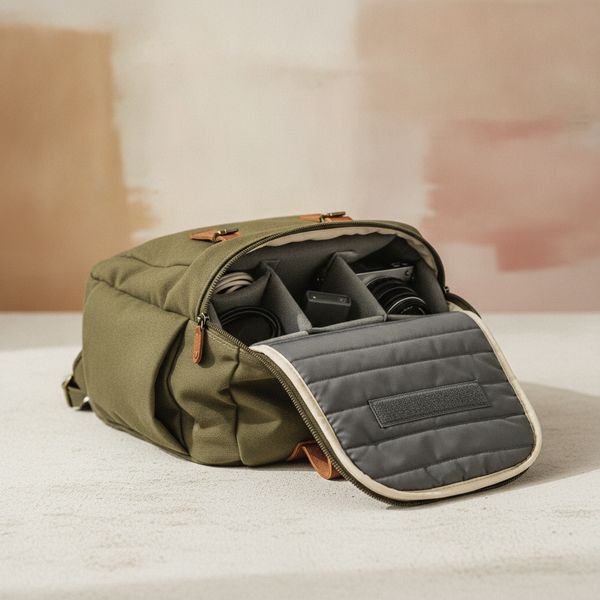
10 · Cheaper and less conspicuousA padded insert rather than a camera bag
A dedicated camera bag is expensive, usually looks like a camera bag, and is therefore an advertisement to anyone paying attention. A padded insert with movable dividers turns any rucksack you already own into a camera bag and lifts out when you do not need it. It costs a third of the price, it is far less conspicuous in a city, and you are not stuck with one bag's ergonomics forever. Measure your body with its largest lens attached before buying, because the common complaint is an insert that is two centimetres too shallow.
$25–60Trade-off: Measure depth with the lens attached
Why it is here
- Turns any bag you own into a camera bag
- Far less conspicuous than a branded case
- A third of the price of a dedicated bag
Worth knowing
- Measure depth with the lens attached
- Less weather protection than a proper case
Common questions
Should I upgrade my camera body or buy a lens?
A lens, almost always. Glass changes what a photograph can look like; a newer body mostly changes how clean the shadows are. Lenses also hold their value and carry over to your next body.
Is a phone good enough now?
For daylight and social sharing, genuinely yes. Where a dedicated camera still clearly wins is low light, real optical reach, subject separation that is not computed, and control over the result in editing.
What is the most overrated camera accessory?
UV filters bought for protection, most branded lens hoods sold separately, and expensive camera bags. A polariser and a reflector will do more for your pictures than all three combined.
Do I need a full-frame camera?
No. Crop sensors are excellent and the lenses are smaller, lighter and cheaper. Full frame helps in genuinely low light and gives shallower depth of field, but it is a refinement rather than a requirement.
Today's deals
See what is discounted right now.
Deals →← All guides
As an AliExpress affiliate we earn from qualifying purchases. Prices and availability are accurate as of the date of publication and may change.