Phone accessories are an impulse category. They are cheap enough not to think about, which is exactly why most people own a drawer of them and use three.
The three that survive are almost always the same: something that stops the phone breaking, something that keeps it charged, and something that holds it up. Everything below is judged on whether it still earns pocket or bag space after a year.
Prices are approximate at the time of writing. This category is flooded with near-identical products under different names, so we describe what to look for rather than insisting on one brand.
The short version
A case with raised edges and corner protection
The one that saves the money
Disclosure. The links on this page are affiliate links. If you buy through one we may earn a commission at no extra cost to you. It does not affect what makes this list or the order it is in.
How we picked
We prioritise things that prevent an expensive failure, remove a daily annoyance, or last across more than one phone. We rely on published testing, certification standards and long-run owner reports, and we have not personally used every product here. Where a popular accessory is genuinely not worth buying, we say so instead of quietly leaving it out.
At a glance
Prices are approximate at the time of writing and change often.
The picks
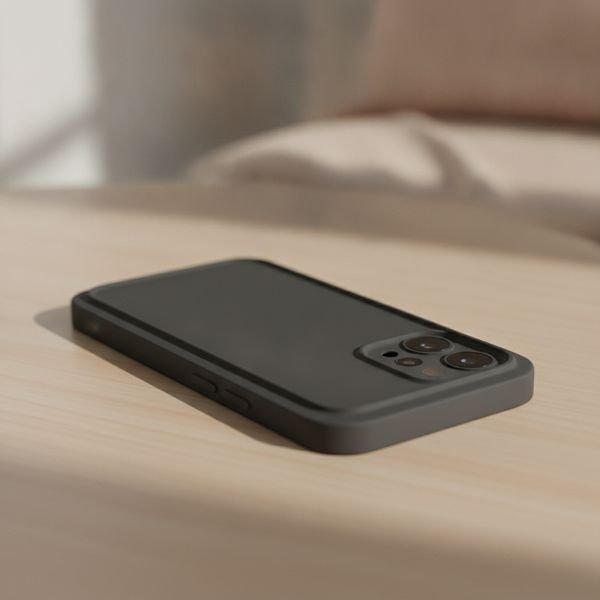
01 · The one that saves the moneyA case with raised edges and corner protection
Phones almost always break in one of two ways: a corner impact that travels through the frame to the screen, or a face-down landing on grit. A case only helps if it addresses both, which means genuine corner reinforcement and a lip that stands proud of the screen and the camera glass. That lip is the single most important feature and the one thin cases sacrifice first. Look for a stated drop rating rather than a marketing phrase, and if your phone supports magnetic attachment, get a case that passes it through — otherwise you lose the feature the moment you protect the phone.
$20–60Trade-off: Thin cases skip the lip that matters most
Why it is here
- Prevents the two most common ways phones break
- Raised lip protects screen and camera glass
- Cheap next to a screen repair
Worth knowing
- Thin cases skip the lip that matters most
- Adds real bulk to a pocket
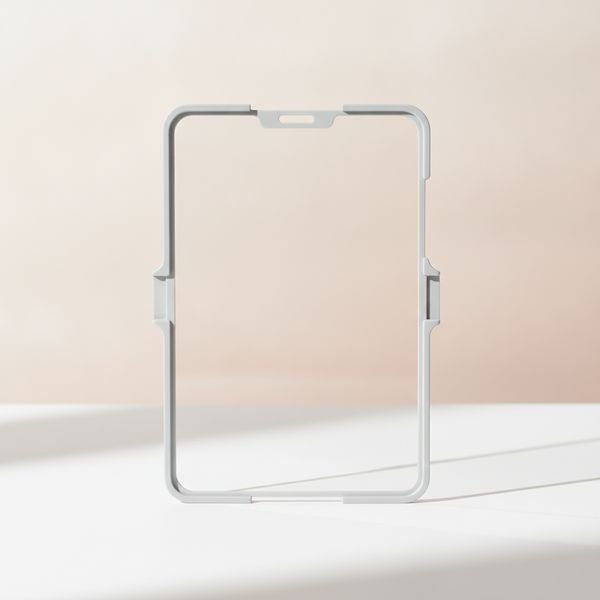
02 · Buy two, you will need twoTempered glass screen protector (two-pack)
A screen protector is a consumable that costs a tenth of a screen repair, and glass is worth the small premium over plastic film because it resists the sand and keys that actually cause scratches. The feature to insist on is an alignment frame in the box — misapplication, not quality, is why most protectors end up with dust bubbles and lifted corners. Buy a two-pack, because your first attempt may go badly and because a cracked protector has done its job and needs replacing. Clean the screen, then clean it again, then use the dust stickers.
$10–25Trade-off: Cheap ones interfere with in-screen fingerprint readers
Why it is here
- A tenth of the cost of a screen repair
- Glass resists real-world scratch causes
- Alignment frames make it foolproof
Worth knowing
- Cheap ones interfere with in-screen fingerprint readers
- Application is unforgiving without a frame
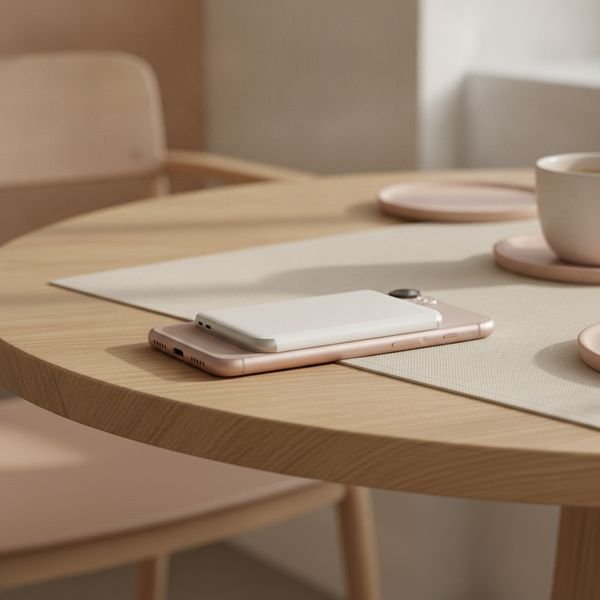
03 · Most convenient chargingA magnetic wireless power bank
The reason these get used when a cabled bank does not is that they attach in one motion and let you keep using the phone while it charges, with no cable dangling from the bottom. That convenience is the entire argument, and it is a good one. Be clear-eyed about the trade-off: wireless charging is meaningfully less efficient than a cable, so a 5,000mAh magnetic bank delivers noticeably less than a 5,000mAh wired one, and it gets warm. For a day out it is ideal. For a long flight, bring the cable.
$40–80Trade-off: Wireless transfer wastes a chunk of the capacity
Why it is here
- Attaches in one motion, no dangling cable
- Use the phone normally while charging
- Slim enough to stay attached in a pocket
Worth knowing
- Wireless transfer wastes a chunk of the capacity
- Runs warm under load
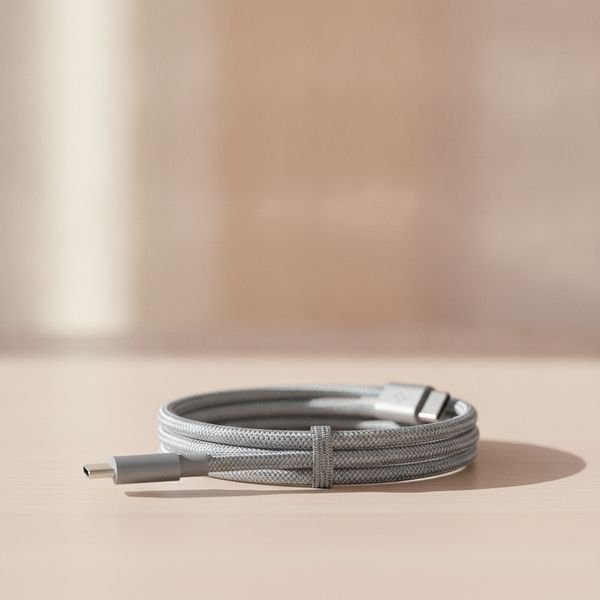
04 · Where cheap costs moreA braided USB-C cable, 2m
Cables fail at the strain relief where the cord meets the connector, which is why the bundled one frays first. A braided jacket with a proper moulded collar survives years of the same treatment. Length matters more than people admit — two metres is the difference between using your phone in bed or on the sofa and not. If you charge a laptop from the same cable, check the stated wattage, and for fast data transfer check the data speed too, since plenty of cables carry 100W of power and only USB 2.0 data.
$12–25Trade-off: High wattage does not imply fast data
Why it is here
- Braided jacket survives years of bending
- 2m reaches from an awkward socket
- Cheap insurance against a dead cable
Worth knowing
- High wattage does not imply fast data
- Braiding adds stiffness in the cold
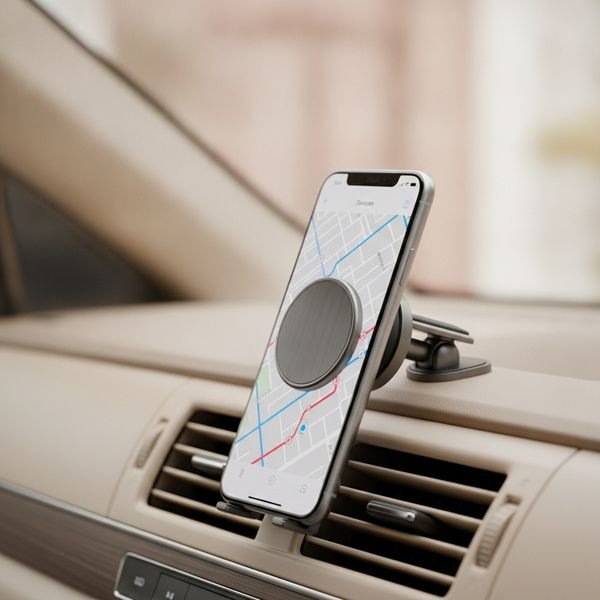
05 · Safety, not convenienceA magnetic car mount
This belongs on the list as a safety item rather than a gadget. A phone in a cradle at eye line means glances rather than looking down into your lap, and in many places handling a phone while driving is an offence regardless. Magnetic mounts win over clamps because you dock one-handed without adjusting arms. Vent mounts are easiest to fit and can block airflow or sag on soft vanes; suction mounts to the windscreen are more stable but check local rules, since obstructing the windscreen is regulated in some countries.
$20–45Trade-off: Vent mounts sag and block airflow
Why it is here
- Keeps your eyes near the road
- One-handed docking
- Cheap for what it prevents
Worth knowing
- Vent mounts sag and block airflow
- Windscreen placement is regulated in some countries
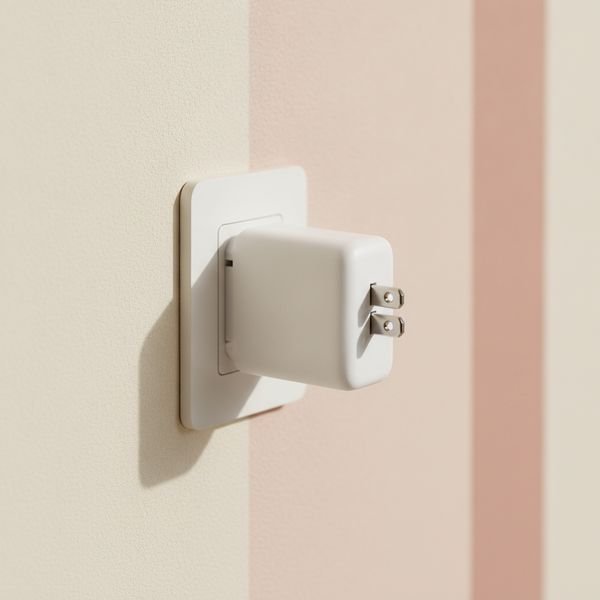
06 · Replaces the one in the boxA 30W+ GaN wall charger
Most phones no longer ship with a charger, and the cheapest replacements on a marketplace are the single worst thing to economise on, because they sit in your wall carrying mains voltage. A branded 30W gallium nitride charger is small, runs cool, and charges a modern phone at full speed. Two-port models mean one plug serves a phone and earbuds. Look for a recognised safety certification mark on the body — its absence on an unbranded unit is a genuine reason not to buy, not a formality.
$20–40Trade-off: Not the place to buy unbranded
Why it is here
- Full-speed charging in a tiny body
- Runs cool, folding prongs travel well
- Two ports cover phone and earbuds
Worth knowing
- Not the place to buy unbranded
- Very high wattage is wasted on a phone alone
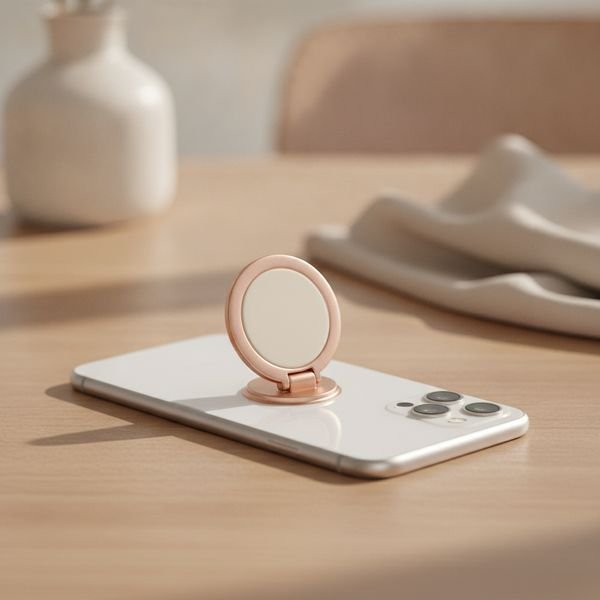
07 · Cheap, and prevents dropsA phone grip or ring stand
Phones have grown past the size a hand can comfortably hold, and most drops happen during a one-handed stretch toward the far corner of the screen. A grip removes that reach entirely, and it doubles as a stand for watching something. Choose a magnetic detachable one over an adhesive one: adhesive versions block wireless charging, cannot be removed cleanly, and eventually peel. Collapsible designs sit flatter in a pocket. It is a small thing, and it is one of the few accessories that measurably reduces how often you drop the phone.
$10–25Trade-off: Adhesive types block wireless charging
Why it is here
- Removes the one-handed stretch that causes drops
- Doubles as a viewing stand
- Magnetic versions detach cleanly
Worth knowing
- Adhesive types block wireless charging
- Adds a bump in a tight pocket
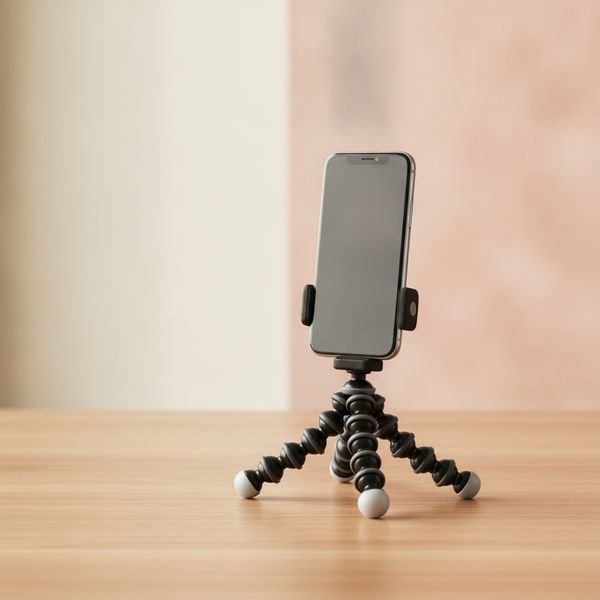
08 · Best for video callsA small tripod or gooseneck stand
Propping a phone against a mug is how most people take video calls, and it explains a great many unflattering camera angles. A small tripod puts the lens at eye level and holds still, which is the whole job. The flexible-leg type is the more useful format because it wraps around a chair back, a shelf edge or a bike frame as easily as it stands on a table. Check the clamp opens wide enough for your phone with its case on — a surprising number do not, and that is the specification people forget.
$15–40Trade-off: Many clamps do not fit a cased phone
Why it is here
- Puts the camera at eye level
- Flexible legs grip almost anything
- Folds small enough for a bag
Worth knowing
- Many clamps do not fit a cased phone
- Cheap ones sag under a heavy handset
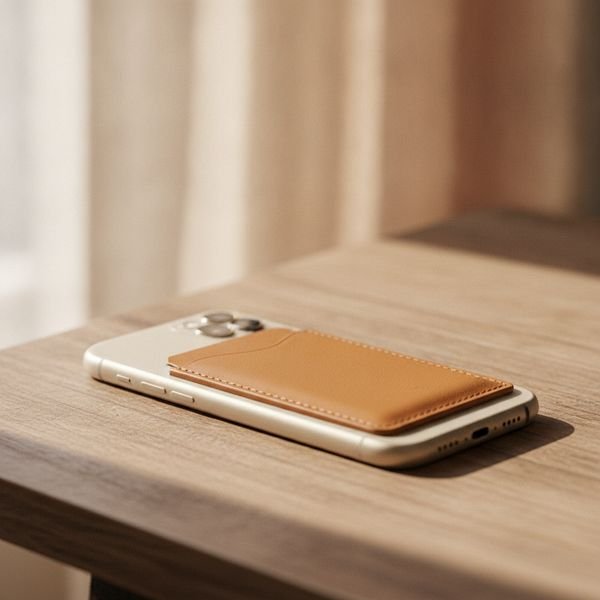
09 · Useful, with one warningA pop-out card holder or wallet case
Carrying two cards on the back of the phone genuinely replaces a wallet for most short trips, and the magnetic detachable holders do it without permanently changing the phone. Two practical warnings. Hotel key cards and some older magnetic-stripe cards can be wiped by strong magnets, so keep those separate. And putting your ID and bank card on the object most likely to be lost or stolen concentrates risk in one place — fine for a walk to the shops, less clever for a night out. Contactless cards themselves are generally unaffected.
$15–45Trade-off: Strong magnets can wipe stripe and hotel cards
Why it is here
- Replaces a wallet for short trips
- Magnetic versions detach when not wanted
- Slim, adds almost no bulk
Worth knowing
- Strong magnets can wipe stripe and hotel cards
- Concentrates loss risk in one object
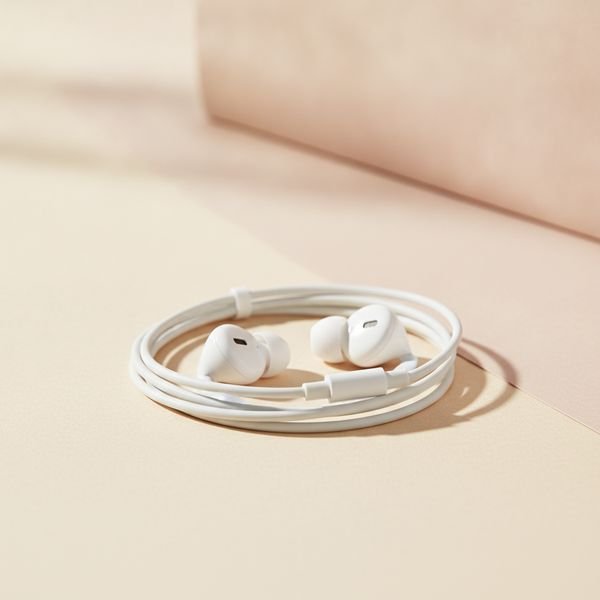
10 · The unfashionable backupWired earbuds with a USB-C plug
Keeping a cheap wired pair in a bag solves the problems wireless earbuds create: a flat charging case before a long call, a pairing failure in a meeting, or an in-flight entertainment system that wants a physical connection. They never need charging, they have no latency, and they cost less than replacing one lost wireless bud. The microphone on a decent wired pair is also usually better positioned for calls than a laptop's. Not exciting, and the thing you will be glad of on the day something else fails.
$15–40Trade-off: A cable to untangle
Why it is here
- Never needs charging, zero latency
- Cheap enough to keep a spare pair
- Better call mic position than a laptop
Worth knowing
- A cable to untangle
- Occupies the charging port on most phones
Common questions
Which phone accessory is not worth buying?
Clip-on phone camera lenses, cheap unbranded chargers, and PopSocket-style adhesive grips that permanently block wireless charging. Sanitising UV boxes are also mostly unnecessary — soap and a microfibre cloth do the job.
Does a screen protector affect the fingerprint reader?
A good one does not. Cheap or overly thick glass can interfere with in-screen readers, so check the product explicitly states compatibility with your phone's sensor before buying.
Is wireless charging bad for the battery?
The heat it generates is the relevant factor, and heat is what ages a battery. Occasional wireless charging is fine; charging overnight on a warm pad in a hot room is the case worth avoiding.
How much wattage do I actually need for a phone charger?
Around 30W covers full-speed charging on almost every current phone. Higher figures matter only if the same charger also has to run a laptop or several devices at once.
Today's deals
See what is discounted right now.
Deals →← All guides
As an AliExpress affiliate we earn from qualifying purchases. Prices and availability are accurate as of the date of publication and may change.