Gardening has an enormous gadget market attached to it and a very short list of things that determine whether plants live. Water, light, drainage and soil do almost all the work. Everything else is convenience.
So this list is ordered by effect on outcomes. The top items are the ones that stop plants dying while you are away or distracted, which is by a wide margin the most common cause of failure. Tools come after that.
Almost everything here works on a balcony as well as in a garden, because pots have the same requirements as beds — they just dry out faster. Where something is genuinely garden-only we say so.
Prices are approximate at the time of writing. Garden equipment is heavily discounted at the end of the season, which is the sensible time to buy anything non-urgent.
The short version
A drip irrigation kit with a timer
Solves the actual killer
Disclosure. The links on this page are affiliate links. If you buy through one we may earn a commission at no extra cost to you. It does not affect what makes this list or the order it is in.
How we picked
We rank by effect on whether plants survive and produce, not by how satisfying the tool is to hold. We rely on horticultural guidance, published testing and long-run owner reports, and we have not personally used every item here. Where the answer is a technique rather than a purchase — and in gardening it often is — we say that instead.
At a glance
Prices are approximate at the time of writing and change often.
The picks
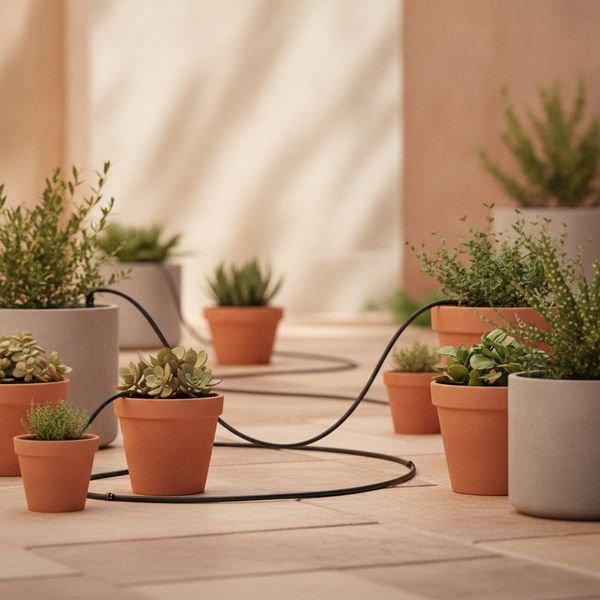
01 · Solves the actual killerA drip irrigation kit with a timer
Inconsistent watering kills more container plants than pests and disease combined, and the pattern is always the same — fine for three weeks, then a hot spell or a holiday and everything is gone. A timer plus drip line removes the human from the loop entirely, which is the whole point. It also waters better than a can: slow delivery at the root reaches the whole root ball instead of running down the inside of the pot and out the bottom, which is what a fast pour actually does. Kits are modular and need no plumbing. Check the timer's batteries each spring.
$45–120Trade-off: Timer batteries fail silently — check each spring
Why it is here
- Removes the main cause of container plant death
- Waters the root ball properly, not just the surface
- No plumbing, fully modular
Worth knowing
- Timer batteries fail silently — check each spring
- Emitters clog and need occasional clearing
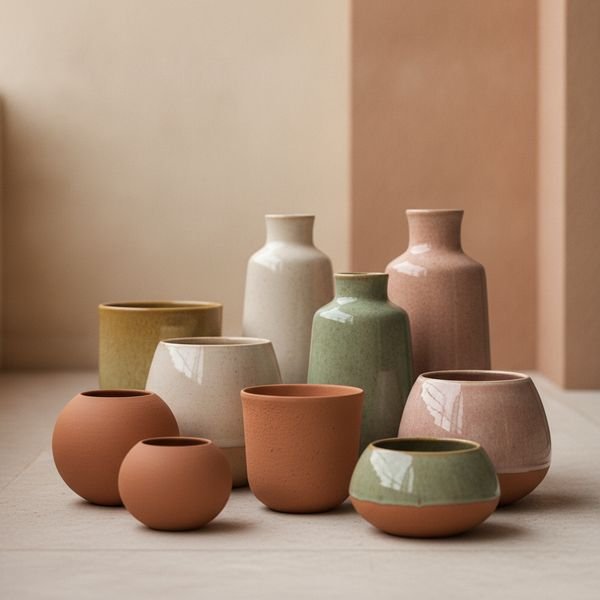
02 · The unglamorous fundamentalsPots with real drainage, and the right compost
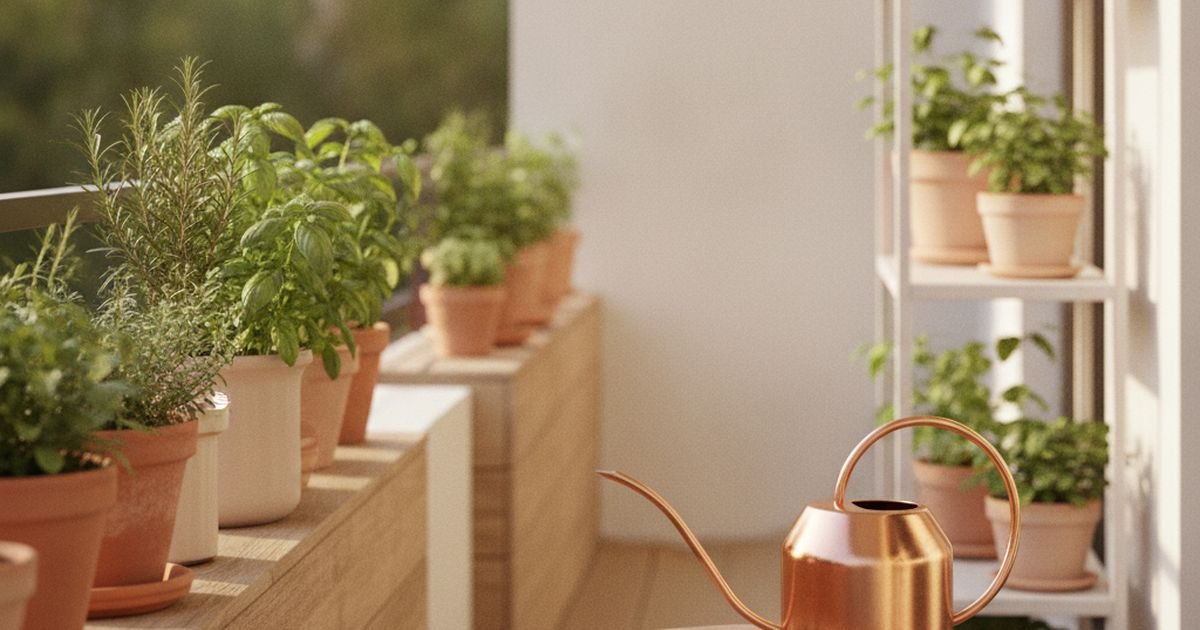
Two failures account for an enormous share of dead container plants, and both are avoidable for almost nothing. The first is a decorative pot with no drainage hole, which drowns roots invisibly — either drill it or use it as an outer sleeve with a plastic pot inside. The second is filling pots with garden soil, which compacts into a dense airless block in a container and does not behave the way it does in the ground. Use a proper potting compost. Terracotta breathes and dries faster, which suits herbs and Mediterranean plants and works against thirsty ones.
$30–80Trade-off: Decorative pots often have no drainage at all
Why it is here
- Fixes two of the commonest causes of failure
- Costs almost nothing to get right
- Terracotta suits herbs and dry-loving plants
Worth knowing
- Decorative pots often have no drainage at all
- Garden soil compacts badly in containers
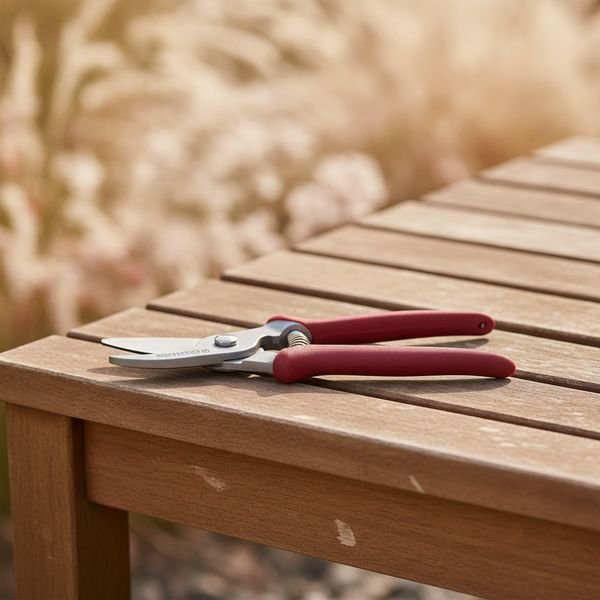
03 · Buy sharp, keep sharpA pair of bypass secateurs
Bypass secateurs cut like scissors, with two blades passing each other, and they leave a clean cut that heals. Anvil secateurs crush the stem against a flat plate, which damages living wood and invites disease — use those only on dead material. A clean cut matters more than most beginners expect. Buy a model whose blades can be replaced and sharpened rather than a sealed one, and clean them between plants if anything is diseased. A blunt pair does not fail obviously; it just tears everything and you blame the plant.
$30–70Trade-off: Anvil types damage living stems
Why it is here
- Clean cuts heal; crushed ones invite disease
- Replaceable blades mean one pair lasts years
- Comfortable models reduce hand fatigue
Worth knowing
- Anvil types damage living stems
- Blunt blades fail invisibly — sharpen them
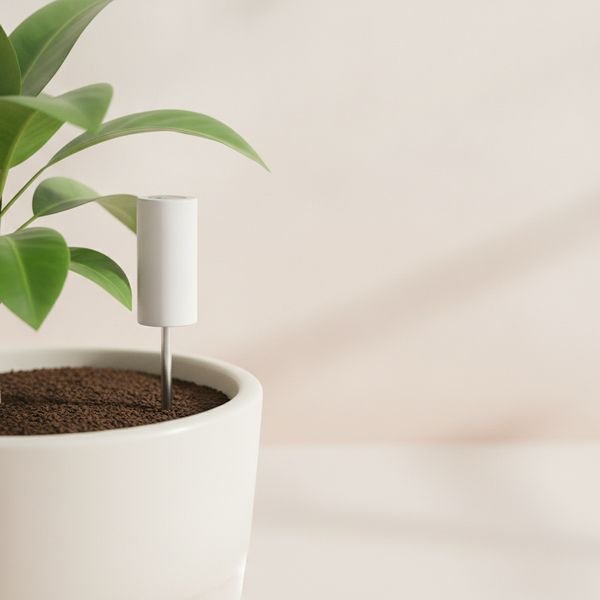
04 · Cheap answer to a common questionA moisture meter, if you overwater
Overwatering kills more houseplants than drought, because soggy soil suffocates roots and the symptoms — drooping, yellowing leaves — look exactly like thirst, so people water more and accelerate it. A cheap probe reads moisture at root depth rather than at the surface, which is the part you cannot see and the part that matters. It is a learning tool more than a permanent one: use it for a season, learn what the right weight and feel are for your pots, and you will stop needing it. Sticking a finger two inches into the soil does the same job for free.
$12–30Trade-off: A finger does the same job for free
Why it is here
- Reads at root depth, where it matters
- Very cheap and needs no batteries on basic models
- Breaks the overwatering cycle quickly
Worth knowing
- A finger does the same job for free
- Cheap meters drift and corrode over time
05 · Only if light is the limitA grow light, for a dark flat
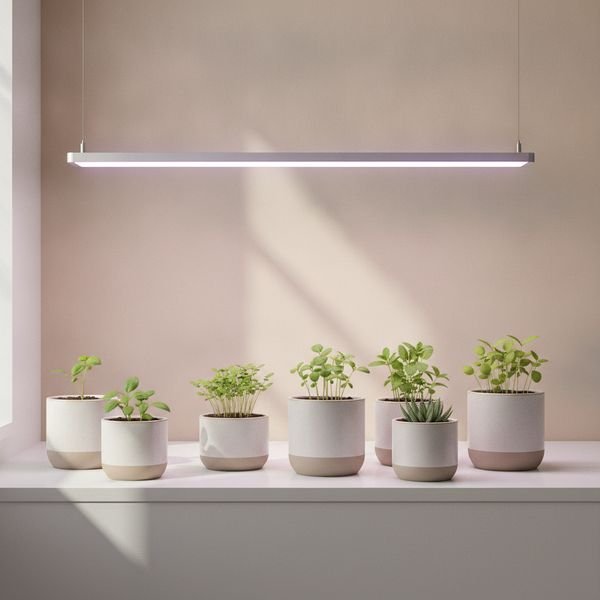
If your plants are leggy — stretched, pale and reaching toward the window — light is the constraint and nothing else you buy will help. A full-spectrum LED fixes that directly, and it also makes winter seed-starting genuinely viable. Check the actual output rather than the wattage, since marketing figures here are unusually inflated, and put it on a timer for twelve to sixteen hours; more is not better and plants need a dark period. If your plants are healthy and compact, you do not have a light problem and this is money better spent elsewhere.
$40–120Trade-off: Output figures are routinely overstated
Why it is here
- Directly fixes leggy growth in dark rooms
- Makes winter seed-starting viable
- Cheap to run on modern LEDs
Worth knowing
- Output figures are routinely overstated
- Pointless if light is not your actual limitation
06 · Works on a balcony tooA compost caddy and a small bin or wormery
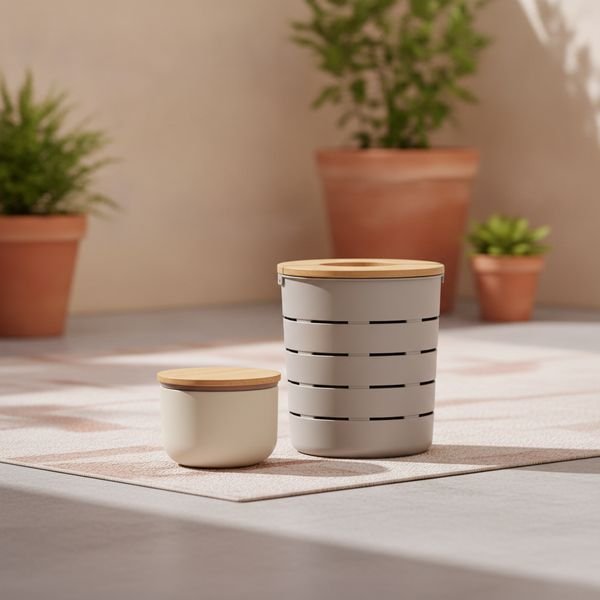
Compost is the cheapest soil improvement there is and you are currently paying to have the raw material taken away. A caddy with a charcoal filter sits on the worktop without smelling, and a small bin or a wormery handles the volume from a household without a garden — wormeries in particular work on a balcony and produce a concentrated liquid feed as a by-product. Keep the ratio roughly balanced between green kitchen waste and brown material like cardboard; almost every complaint about smell traces back to too much green and not enough air.
$40–120Trade-off: Smell means the green-to-brown ratio is off
Why it is here
- Turns waste into the best soil improver there is
- Wormeries work on a balcony
- Liquid feed as a free by-product
Worth knowing
- Smell means the green-to-brown ratio is off
- Takes months before the first usable output
07 · Determines how long you lastKneeling pad and proper gloves
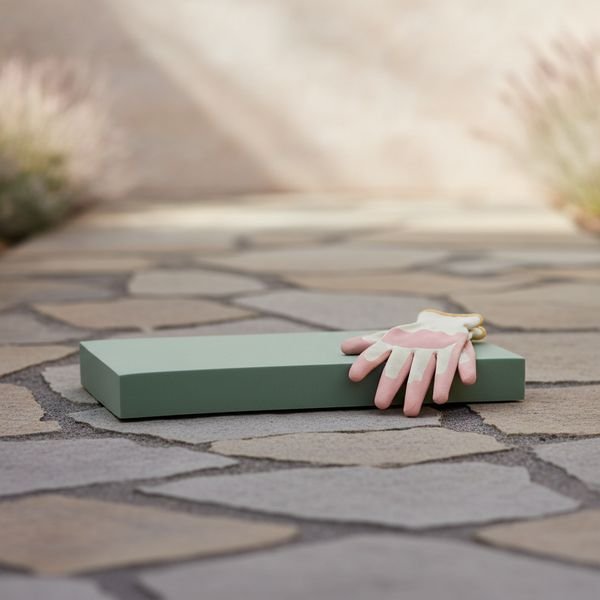
How long you keep gardening on any given afternoon is usually decided by your knees and hands rather than your enthusiasm, which makes these worth more than they look. A thick foam pad costs very little and roughly doubles comfortable working time. For gloves, nitrile-coated fabric is the useful compromise — enough dexterity to handle seedlings and enough protection for thorns, unlike thick leather which is safe and useless for fine work. Get two pairs, because one will always be wet. Wear gloves for soil work generally; there are bacteria and fungi in compost worth not handling bare-handed.
$25–50Trade-off: Gloves need two pairs in rotation
Why it is here
- Roughly doubles comfortable working time
- Nitrile coating balances grip and protection
- Cheap
Worth knowing
- Gloves need two pairs in rotation
- Thick leather is useless for fine work
08 · The rose is the pointA watering can with a fine rose
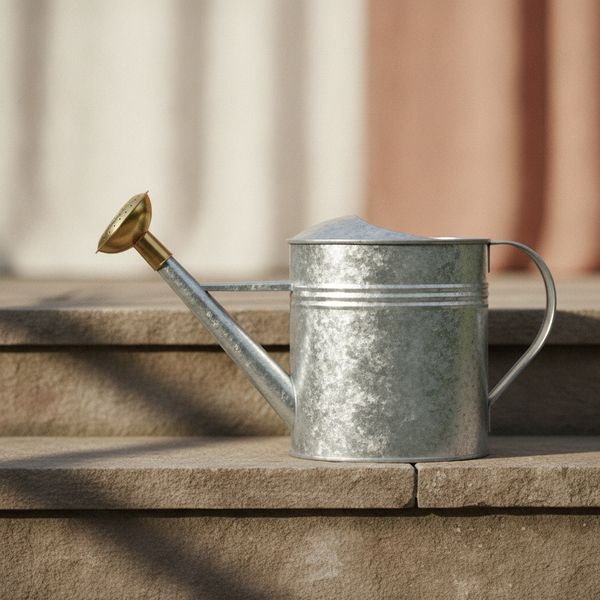
Any container carries water. What you are actually buying is the rose — the perforated head that turns a stream into rain. Without it, watering seedlings washes them out of the compost and watering pots carves a channel that sends water straight down one side and out the drainage hole, leaving most of the root ball dry. A fine rose delivers slowly enough that the compost absorbs it. Check the balance when full, since a badly balanced can is tiring to use and encourages you to water less than you meant to.
$25–60Trade-off: Roses are easy to lose — keep a spare
Why it is here
- A fine rose is what makes watering actually work
- Essential for seedlings, which a stream destroys
- Simple, nothing to break
Worth knowing
- Roses are easy to lose — keep a spare
- Poorly balanced cans are tiring when full
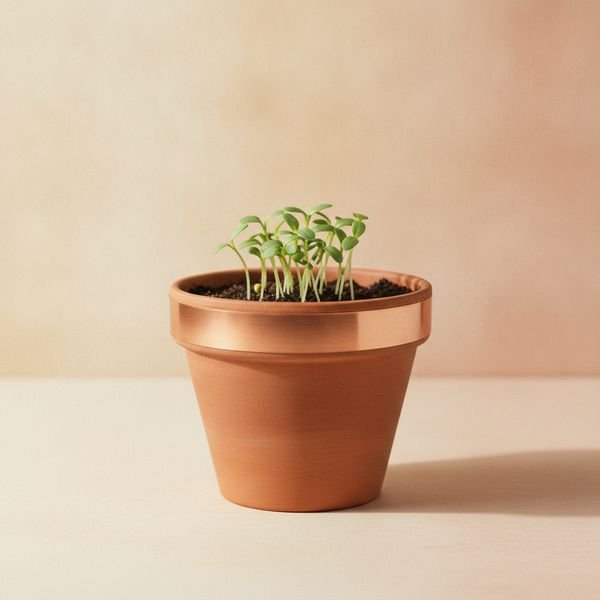
09 · Check what is legal locallySlug control that is not blue pellets
Slugs will remove a row of seedlings in a night, and the traditional metaldehyde pellets have now been banned or restricted in a number of countries because of harm to wildlife and pets — check what is permitted where you live before buying anything. The alternatives that work reasonably are copper tape around pot rims, wool pellets, and iron phosphate based products which are approved for organic use in many places. Beer traps work and need emptying more often than anyone expects. No method is complete; combining two is more effective than perfecting one.
$15–40Trade-off: Metaldehyde is banned or restricted in many countries
Why it is here
- Protects seedlings from the fastest total loss
- Iron phosphate is organic-approved in many places
- Copper tape is reusable year after year
Worth knowing
- Metaldehyde is banned or restricted in many countries
- No single method works completely
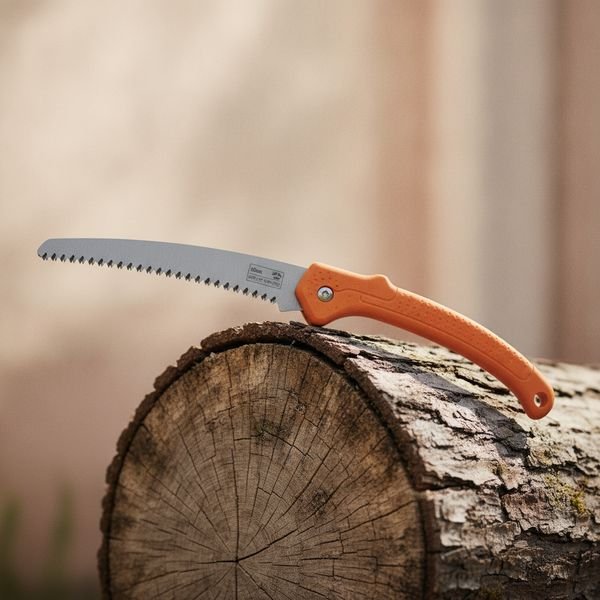
10 · Garden only, and safer than loppersA folding pruning saw
This is the one genuinely garden-only item here. Anything thicker than a thumb is beyond secateurs, and forcing loppers through it produces a torn wound and often a broken tool. A folding saw with a pull-stroke blade cuts fast, folds into a pocket and costs less than the loppers people buy instead. Japanese-style pull-cut teeth are noticeably more efficient than push-cut. Fold it every time you put it down — an open saw left in the grass is one of the more predictable ways to injure yourself in a garden.
$30–60Trade-off: Genuinely garden-only, no balcony use
Why it is here
- Handles branches secateurs cannot
- Pull-cut blades are notably more efficient
- Folds to pocket size
Worth knowing
- Genuinely garden-only, no balcony use
- An open blade left down is a real hazard
Common questions
What kills container plants most often?
Inconsistent watering, then no drainage hole, then using garden soil instead of potting compost. Those three account for the large majority, and all are cheap to fix.
Can I grow anything worthwhile on a balcony?
Yes — herbs, salad leaves, chillies, tomatoes and strawberries all do well in pots. The real constraints are sunlight hours and wind, not space. Count how many hours of direct sun the spot actually gets before choosing plants.
Is a moisture meter worth buying?
For a season, if you tend to overwater. After that you will have learned what a pot should weigh and feel like, and a finger pushed two inches into the compost tells you the same thing for free.
When is the best time to buy garden equipment?
End of season, when retailers clear stock. Tools, pots and furniture are all heavily discounted, and none of it deteriorates in storage over a winter.
Today's deals
See what is discounted right now.
Deals →← All guides
As an AliExpress affiliate we earn from qualifying purchases. Prices and availability are accurate as of the date of publication and may change.